
9 major factors that affect the wireless communication distance, how many do you know?
2021-12-06
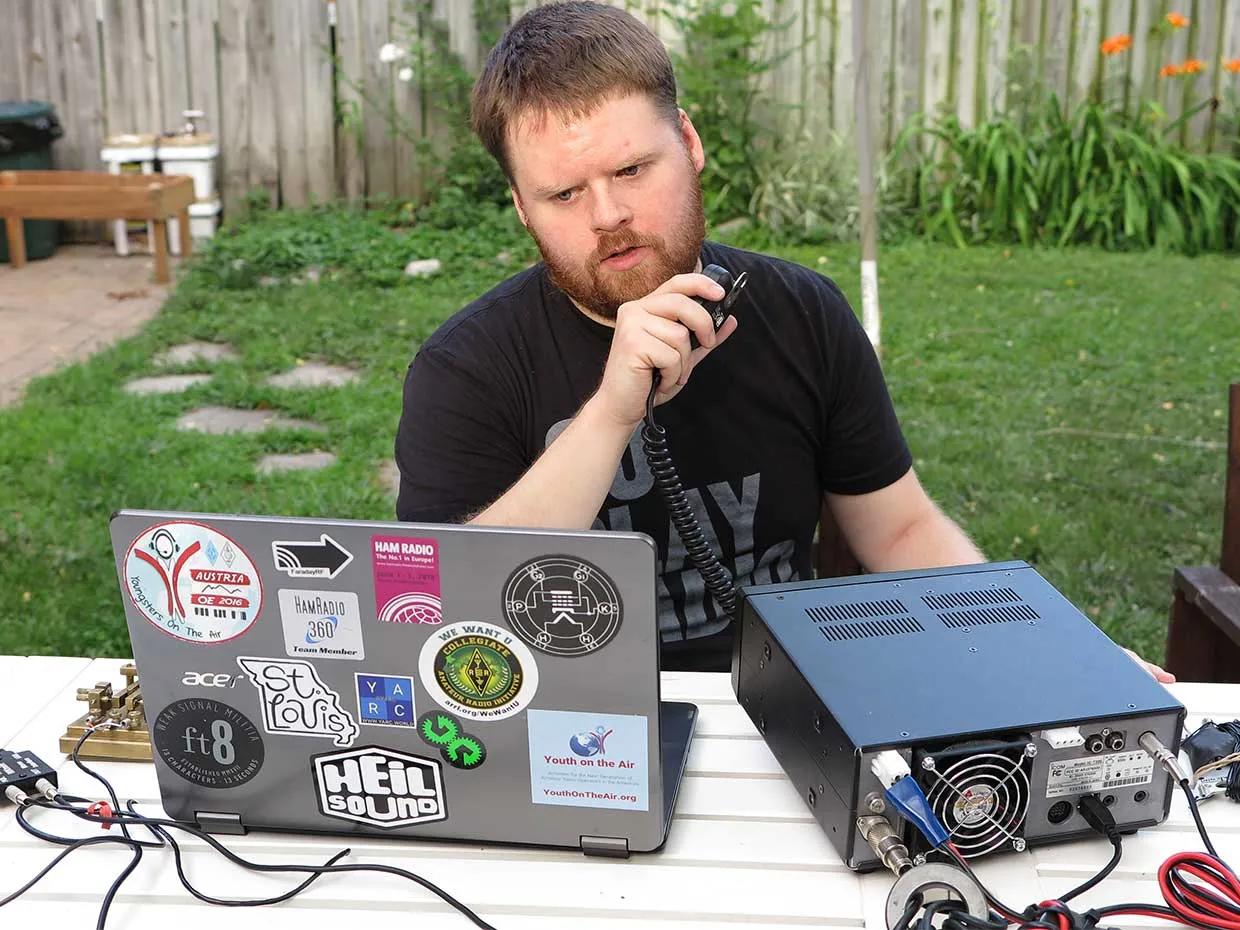
source:pttcn.net
There are four main performance indicators of wireless communication distance:
1. The RF output power of the transmitter,
2. The receiving sensitivity of the receiver,
3. The anti-interference ability of the system,
4. Type and gain of transmitting/receiving antenna.
Among the four main indicators, the electromagnetic compatibility standards of various countries (such as FCC in North America and EN standards in Europe) only limit the transmission power. As long as the two indicators of receiving sensitivity and system anti-interference ability are optimized, it can be Extend the communication distance of the system on the premise of complying with FCC or CE standards.
Factors affecting wireless communication distance
1. Geographical environment
The farthest communication distance is the unobstructed flat open area at sea level and land, which is also the geographical condition that is usually used to evaluate the communication distance of wireless communication equipment. Followed by semi-obstructed and semi-open environments such as suburban countryside, hills and river beds. The closest communication distance is in urban buildings or mountains. In short, the denser the obstacles, the greater the impact on the wireless communication distance, especially metal objects. Has the greatest impact. According to the path loss formula:
Ld=32.4+20logf+20logdf=MHZd=Km It can be seen that every 6dB signal loss, the communication distance will be reduced by half. Another factor is the influence of multipath, so if there are many obstacles near the wireless module, it will also affect the distance and reliability of communication.
2. Electromagnetic environment
DC motors, high-voltage power grids, switching power supplies, electric welding machines, high-frequency electronic equipment, computers, single-chip computers and other equipment have varying degrees of influence on the communication distance of wireless communication equipment.
3. Climatic conditions
When the air is dry, the communication distance is longer, and the air is humid (especially in rain and snow). The communication distance is shorter. Within the allowable ambient operating temperature range of the product, the increase in temperature will reduce the transmission power and the reception sensitivity, thereby reducing it The communication distance. (Guess whether the communication distance in foggy weather has increased or decreased?)
4. The RF output power of the transmitter
The greater the transmission power, the greater the communication distance; theoretically, the transmission power can be increased without limit, but in fact, due to cost or technical regulations, the output power of the transmitter is also limited.
5. The receiving sensitivity of the receiver
The receiving sensitivity reflects the receiver's ability to capture weak signals. The higher the receiving sensitivity, the longer the communication distance. However, due to the influence of natural electromagnetic noise, industrial pollution, and inherent noise of electronic components, -123dBm (that is, 0.158uv) is generally considered to be the limit value of the receiving sensitivity realized by pure hardware in modern radio communication, and it is difficult to break through, even if it is added Software error correction can only improve 1-3dB. If the receiving sensitivity of the communication system is close to this limit value, there is no potential to tap. To increase the communication distance, we can only start from other aspects.
6. System anti-interference ability
There are always various interference sources in the actual communication environment. Under the premise of the same transmitting power and the same receiving sensitivity, the stronger the anti-interference ability of the system, the longer the actual communication distance.
Many high-frequency engineers have this experience: when testing in a laboratory (shielded network room), the transmitting power and receiving sensitivity of the amplitude modulator and the frequency modulator are the same, but when tested in the actual environment, the communication distance of the frequency modulator is often The amplitude modulation machine is several times that, even the amplitude modulation machine can not work at all, but the frequency modulation machine can still have a longer communication distance, because the anti-interference ability of the frequency modulation machine is much stronger than that of the amplitude modulation machine.
There are also many factors that affect the anti-interference ability of wireless communication systems, mainly related to the modulation/demodulation method, working bandwidth, circuit design, PCB board layout, and whether the decoupling and shielding measures are appropriate. Generally speaking, the anti-interference ability of the FM system is better than that of the AM system, and the anti-interference ability of the narrowband system is better than that of the broadband system. Therefore, the narrower the bandwidth, the stronger the anti-interference ability, and the longer the communication distance under the same conditions of transmission power and receiving sensitivity.
7. Software error correction
The communication distance of a system with software error correction is also farther than a system without software error correction; software error correction can improve the receiving sensitivity by 1-3dB, but it will cause a certain delay, which is also required in systems with high real-time requirements. Consider the impact of this factor.
8. Antenna type and its gain
The higher the gain of the antenna, the longer the communication distance. When the transmitter uses a high-gain directional antenna, it can significantly increase the power density (field strength) in the communication direction. When the receiver uses a high-gain directional antenna, it can significantly improve the signal/noise ratio and increase the received field strength. Increase the communication distance. At present, the following antennas are suitable for wireless communication equipment using ISM/SRD license-free frequency bands:
Whip antenna (helical antenna, whip antenna): gain 0~3.5dB, suitable for portable mobile handsets.
Mid-gain suction cup antenna: gain 5.5~7dB, suitable for stationary and vehicle-mounted devices.
High-gain omnidirectional antenna: gain 8.5~10dB, need outdoor installation, suitable for fixed unit network.
High-gain directional antenna: gain 10~12dB, need outdoor installation, suitable for long-distance fixed machine.
We need to be clear: the higher the gain of the antenna, the larger the geometrical size, especially the high-gain directional or omnidirectional antenna requires outdoor installation to achieve its best efficiency, so the use and installation of the optional antenna should also be considered. is it convenient.
9. Effective antenna height
Under the same conditions, the higher the height of the antenna from the ground plane, the longer the communication distance. Especially in an urban environment, increasing the height of the antenna has a greater impact on the communication distance than increasing the transmission power.
New International Alliance Will Accelerate Next Generation Emergency Communications Worldwide
On-site direct attack | Hytera provides new solutions for the intelligent construction of politics and law
Related Article

A practical guide to testing two-way radio coverage in the environment where people will actually depend on it.
Why a Radio Coverage Test Can Pass— and the System Still Fails in Real Operation

Most radio operators never take grounding seriously—until their gear is fried. This piece exposes three fatal grounding traps, from shallow rods to mixed signal-and-power grounds, then hands you a six-step, code-compliant checklist drawn from NEC Article 810 and IEEE Std 142. Copy this homework instead.
A grounding error can instantly fry your radio—Installation guide for radio system lightning protection

Professional walkie talkie earpiece guide covering how to put on, wear, and use earpieces correctly. Features brand-specific tips for Motorola, Hytera, Baofeng, and more with structural comparisons for optimal comfort and performance.
How to use walkie talkie earpiece?- The Complete Guide to Walkie Talkie Earpiece Setup
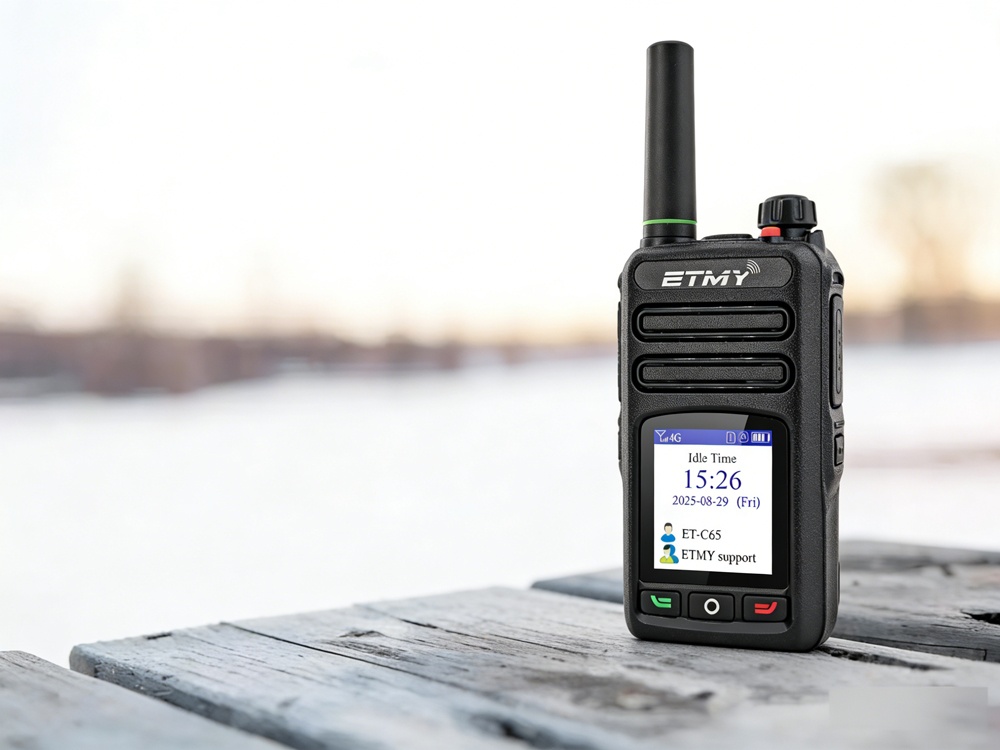
A recent industry report highlights PoC radio adoption for faster, long-distance team communication. Designed for cellular network connectivity, these radios improve coordination in public safety, logistics, and field operations, while offering beginner-friendly setup guidance to ensure reliable activation and compliance.
How exactly do you use a newly acquired PoC radio?