
What is the difference between professional two way radio and business two way radio?
author: z
2024-07-04

What is the difference between professional two way radio and business two way radio?
With the widespread use of walkie-talkies in all walks of life, because walkie-talkies have no communication costs and have great advantages in a certain communication distance, many people want to use walkie-talkies as the first choice for short-distance communication, but there is still a big difference between business two way radio and many professional two way radio on the market.
Most users of professional radio walkie-talkies use them in professional business of group teams. Therefore, the characteristics of professional radio walkie-talkies are simple and practical functions. When designing, multiple communication interfaces are reserved for users to do secondary development. Its frequency setting is mostly through computer programming, and users cannot change the frequency. Its panel only displays the number of channels, not the frequency directly. The frequency has good confidentiality and stability, and it is not easy to run.
When the working frequency of professional two way radio is in the VHF radio, part of the VHF high segment (148MHz~174MHz) and the VHF low segment (136MHz~160MHz). Another part is the VHF full segment (136MHz~174MHz). But in the UHF band, most of them are divided into UHF high band (450MHz~470MHz) and UHF low band (400MHz~430MHz), and very few are UHF full band (400MHz~470MHz). The performance, reliability and stability of professional radios are higher than those of amateur walkie-talkies, and their prices are naturally higher than those of amateur walkie-talkies, and some are even much higher.

business two way radio usually use GMRS (Global Mobile Radio Service) or FRS (Family Radio Service) frequencies, and their coverage range is relatively small.
1. Transmitting power difference
The general power of professional two way radio is 4W/5W
The power of business two way radio is 0.5--2W
The general power of professional two way radio is 4W/5W
The power of business two way radio is 0.5--2W
2. Frequency range difference
professional two way radio: equipped with professional frequency writing software, which can write frequencies according to the actual needs of customers [frequency can be changed/increased/decreased]
134-174MHz 400-470 MHz 350-390 MHz Police band
134-160 MHz 148-174 MHz 400-430 MHz 450-490 MHz
professional two way radio: equipped with professional frequency writing software, which can write frequencies according to the actual needs of customers [frequency can be changed/increased/decreased]
134-174MHz 400-470 MHz 350-390 MHz Police band
134-160 MHz 148-174 MHz 400-430 MHz 450-490 MHz
business two way radio: The frequency points are built-in at the factory and cannot be changed, increased or decreased [generally, there are about 20 built-in frequency points at the factory]
3. Frequency application difference
professional two way radio: Generally, you need to purchase and apply for radio frequencies from the radio management agency and pay relevant fees;
business two way radio: Because the transmitting power is small, generally no application is required, and frequency occupation fees are exempted.
professional two way radio: Generally, you need to purchase and apply for radio frequencies from the radio management agency and pay relevant fees;
business two way radio: Because the transmitting power is small, generally no application is required, and frequency occupation fees are exempted.
4. Talk distance difference
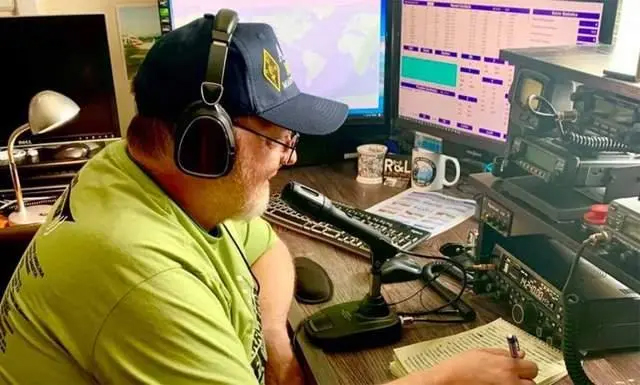
Professional walkie-talkie: 3-5 kilometers
Civilian walkie-talkie: about 2-3 kilometers
Professional walkie-talkie: 3-5 kilometers
Civilian walkie-talkie: about 2-3 kilometers
5. Call encryption difference
Professional walkie-talkies usually have certain encryption and decryption functions to increase the security and confidentiality of device calls. For example, digital walkie-talkies use digital signal encryption technology to help prevent communication content from being eavesdropped or interfered with.
Professional walkie-talkies usually have certain encryption and decryption functions to increase the security and confidentiality of device calls. For example, digital walkie-talkies use digital signal encryption technology to help prevent communication content from being eavesdropped or interfered with.
6. User groups difference
Professional: factories/coal mines/properties/petroleum/chemicals/airports/stations/aviation/kindergartens/hotels/gas stations/shopping malls/office buildings/
Supermarkets/logistics/hospitals and other medical institutions/cinemas/museums/exhibition halls/science and technology museums/art galleries
Civilian: small shopping malls/small supermarkets/small-scale kindergartens/small open spaces
Professional: factories/coal mines/properties/petroleum/chemicals/airports/stations/aviation/kindergartens/hotels/gas stations/shopping malls/office buildings/
Supermarkets/logistics/hospitals and other medical institutions/cinemas/museums/exhibition halls/science and technology museums/art galleries
Civilian: small shopping malls/small supermarkets/small-scale kindergartens/small open spaces
7. Frequency writing difference
Professional: professional two way radio are equipped with professional frequency writing software and frequency writing devices [one end of the frequency writing device is connected to the computer and the other end is connected to the walkie-talkie], and the frequency can be written according to your needs
Professional: professional two way radio are equipped with professional frequency writing software and frequency writing devices [one end of the frequency writing device is connected to the computer and the other end is connected to the walkie-talkie], and the frequency can be written according to your needs
Business two way radio: The frequency points of civil walkie-talkies are built-in when they are shipped, and cannot be changed or increased or decreased (generally 20 frequency points are built-in when leaving the factory)
In general, professional two way radio are suitable for occasions that require long-distance communication or use in special environments, while business two way radio are suitable for daily leisure or family communication needs.
What is VOX in a walkie-talkie and what are its uses?
What is RF cable? What is the difference between it and coaxial cable
Related Article

A practical guide to testing two-way radio coverage in the environment where people will actually depend on it.
Why a Radio Coverage Test Can Pass— and the System Still Fails in Real Operation

Most radio operators never take grounding seriously—until their gear is fried. This piece exposes three fatal grounding traps, from shallow rods to mixed signal-and-power grounds, then hands you a six-step, code-compliant checklist drawn from NEC Article 810 and IEEE Std 142. Copy this homework instead.
A grounding error can instantly fry your radio—Installation guide for radio system lightning protection

Professional walkie talkie earpiece guide covering how to put on, wear, and use earpieces correctly. Features brand-specific tips for Motorola, Hytera, Baofeng, and more with structural comparisons for optimal comfort and performance.
How to use walkie talkie earpiece?- The Complete Guide to Walkie Talkie Earpiece Setup
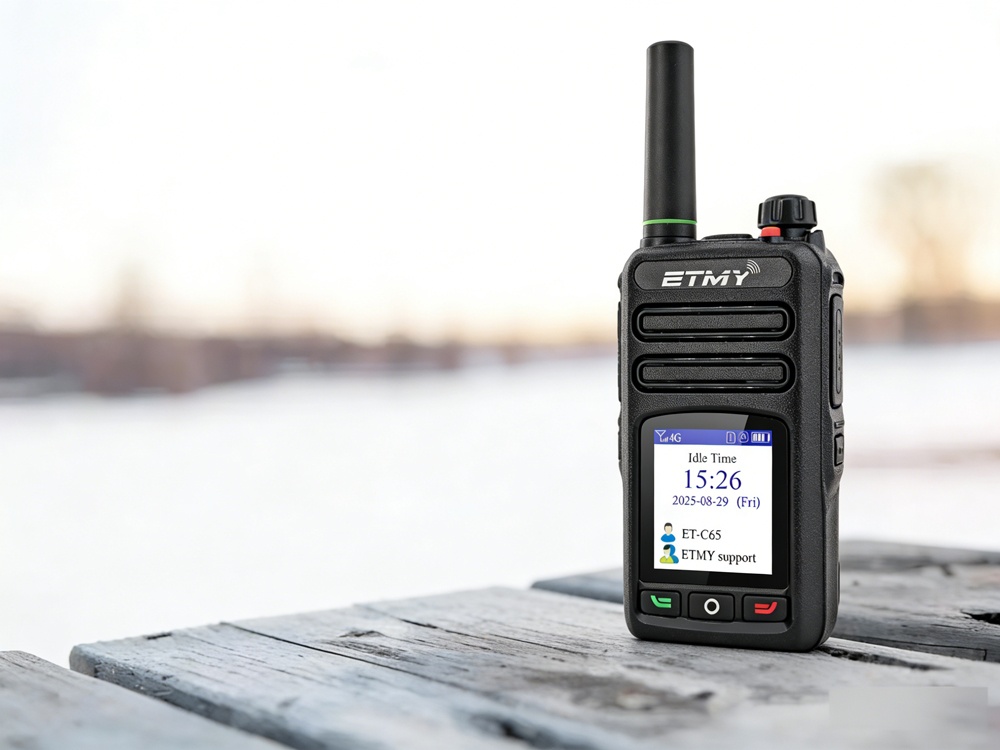
A recent industry report highlights PoC radio adoption for faster, long-distance team communication. Designed for cellular network connectivity, these radios improve coordination in public safety, logistics, and field operations, while offering beginner-friendly setup guidance to ensure reliable activation and compliance.
How exactly do you use a newly acquired PoC radio?