
Advantages of two-way radio system, under what circumstances is it applied
author: Z
2024-08-09
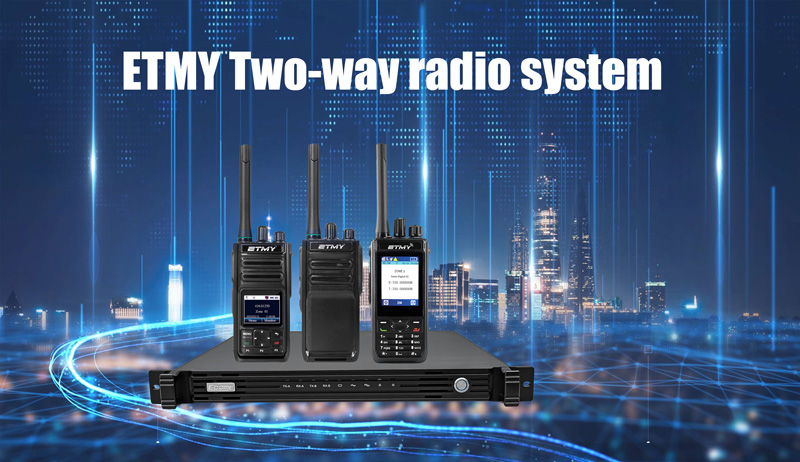
Using walkie-talkies to establish a dedicated radio transmission method has the advantages of less investment, faster opening and simple operation and maintenance than other methods. In detail, there are the following points:
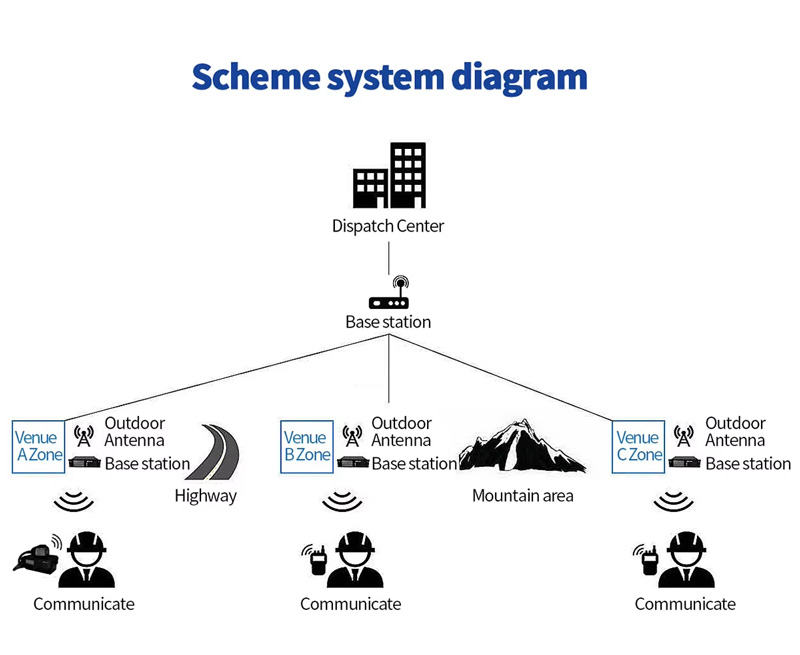
1. Low cost
The establishment of wired communication methods requires the laying of cables or digging of cable trenches, which requires a lot of manpower and material resources; while using radio stations to establish dedicated wireless transmission methods does not require laying cables or digging cable trenches. It only needs to connect radio stations at each terminal and set up antennas at appropriate heights. In contrast, using dedicated wireless transmission methods saves manpower and material resources, and the investment is quite economical. Moreover, in some short-distance communication systems (for example: building communication, small area communication, etc.), wireless communication methods are more flexible. Usually, the signal of the walkie-talkie can cover the ground part of the building and the small area without setting up a wireless relay station. If the wireless signal needs to reach the underground part of the building or the blind spot within the small area, a wireless relay station is set up to extend and expand the signal range.
2. Short construction period
When remote sites that are several kilometers to tens of kilometers apart are to be connected and communicated, long-distance cables must be erected or long cable trenches must be dug using wired methods. This construction period may take several months. However, to establish a dedicated wireless network using a radio station, only antennas of appropriate height need to be erected, and the construction period only takes a few days or weeks. In contrast, the wireless method can quickly establish a communication link, and the construction period is greatly shortened.
3. Good adaptability
Wired communication has too many limitations. When encountering some special application environments, such as special geographical environments such as mountains, lakes, and forests, or application environments where wiring is difficult such as moving objects, it will have a strong constraint on the wiring project of the wired network. Using a radio station to establish a dedicated wireless network will not be subject to these restrictions. Therefore, using a radio station to establish a dedicated wireless network communication will have better and wider adaptability than wired communication, and is almost not restricted by the geographical environment.
4. Good scalability
After users have established a communication network, they often add new terminal devices due to system needs. If the wired method is used, rewiring is required, the construction is troublesome, and the original communication line may be damaged. However, if the wireless network communication method is used, the content of the original terminal device can be cloned to the new device to achieve the expansion of the device, which has better scalability.
5. Terminal equipment is more convenient to use
Wired communication terminal equipment is fixed and cannot be moved, while wireless terminal equipment (including: walkie-talkies, car-mounted stations, etc.) are portable and can be carried with you, communicate anywhere, and respond to a hundred calls.
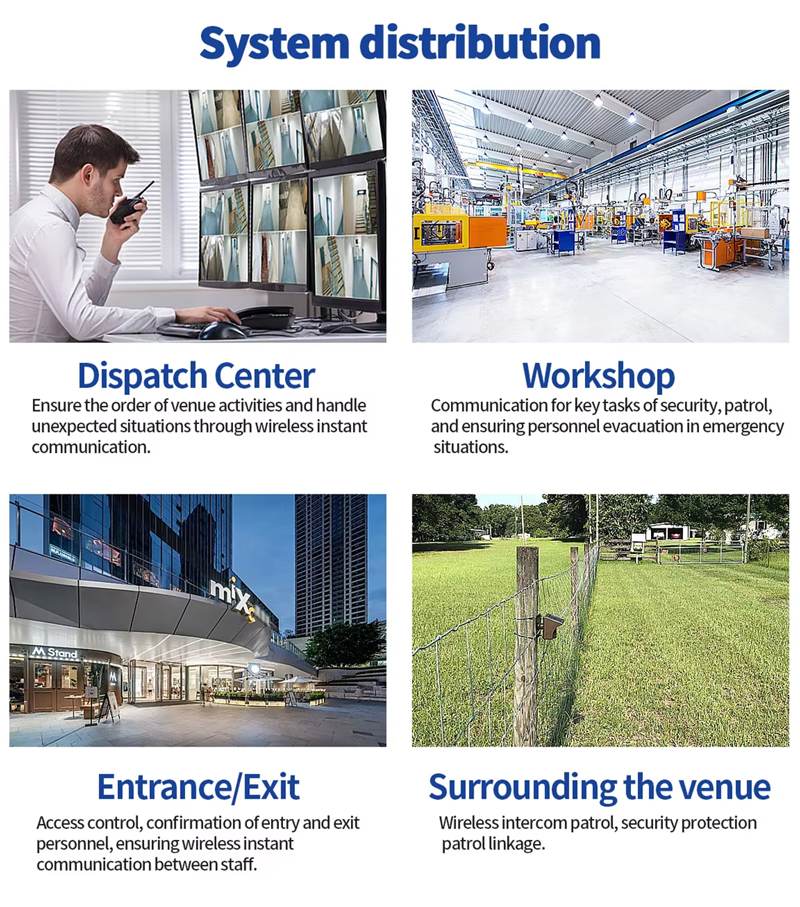
The key role of two-way radio system in emergency communication
Disaster response and rescue
In emergency situations such as natural disasters and accidents, the two-way radio system can provide rescuers with efficient and instant communication methods. Through the system's cluster communication function, rescuers can quickly coordinate actions, share information, and improve rescue efficiency. In emergencies such as earthquakes and fires, the wireless intercom system can quickly establish a communication network, realize emergency communications between rescuers, coordinate rescue operations, and improve life safety.
Public safety and public security maintenance
In daily public security maintenance and response to emergencies, the 2-way radio system plays an indispensable role. Through the use of the system, police and security personnel can communicate and coordinate actions in real time to effectively respond to various emergencies.
Industrial Production and Emergency Management
In the industrial field, especially in dangerous places such as large factories and chemical plants, the 2-way radio system is a powerful tool for emergency management. Through the use of the two-way radio system, workers can quickly respond to emergencies, conduct emergency evacuation and control dangerous sources. In industrial production, the ETMY wireless intercom system can be used for equipment monitoring, worker communication, emergency evacuation, etc. In an emergency, the system can quickly issue an alarm to ensure the safety of the staff.
Transportation System
The transportation field is a field that requires efficient emergency communication. In emergencies such as accidents and traffic control, the wireless intercom system can provide traffic police, transportation companies, etc. with a channel for timely communication, coordinate traffic flow, and reduce the expansion of accidents and traffic congestion. In the public transportation system, the two-way radio system can be used for communication between stations and vehicles to deal with traffic congestion, accidents, etc., and improve the emergency response capabilities of the transportation system.
Security for large events
In large events, such as concerts and sports events, the 2-way radio system can enable real-time communication among security personnel, allowing them to detect and respond to potential security risks in a timely manner.
What is global walkie talkie? Can it be used for unlimited range intercom?
What is VOX in a walkie-talkie and what are its uses?
Related Article
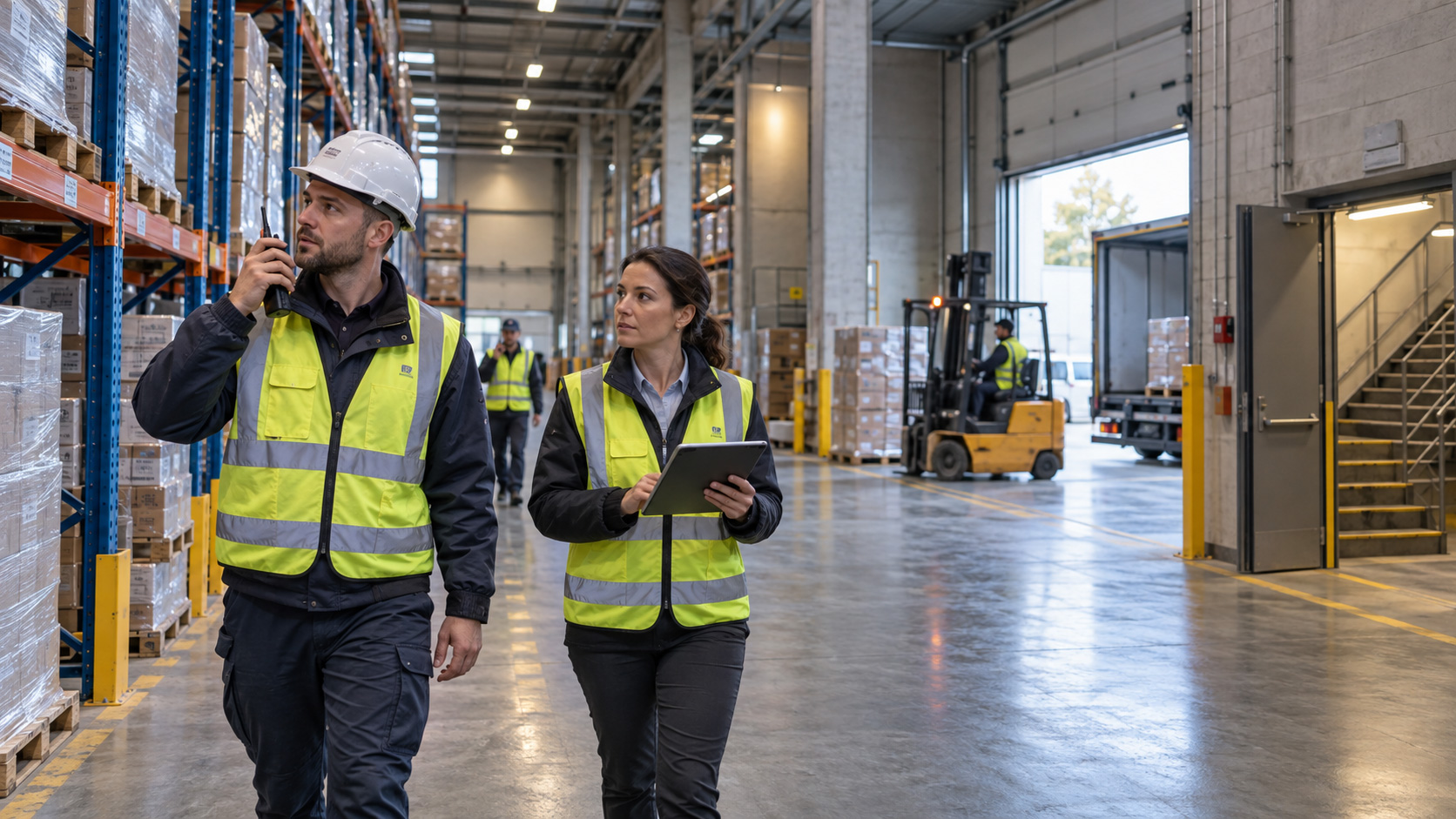
A practical guide to testing two-way radio coverage in the environment where people will actually depend on it.
Why a Radio Coverage Test Can Pass— and the System Still Fails in Real Operation

Most radio operators never take grounding seriously—until their gear is fried. This piece exposes three fatal grounding traps, from shallow rods to mixed signal-and-power grounds, then hands you a six-step, code-compliant checklist drawn from NEC Article 810 and IEEE Std 142. Copy this homework instead.
A grounding error can instantly fry your radio—Installation guide for radio system lightning protection

Professional walkie talkie earpiece guide covering how to put on, wear, and use earpieces correctly. Features brand-specific tips for Motorola, Hytera, Baofeng, and more with structural comparisons for optimal comfort and performance.
How to use walkie talkie earpiece?- The Complete Guide to Walkie Talkie Earpiece Setup
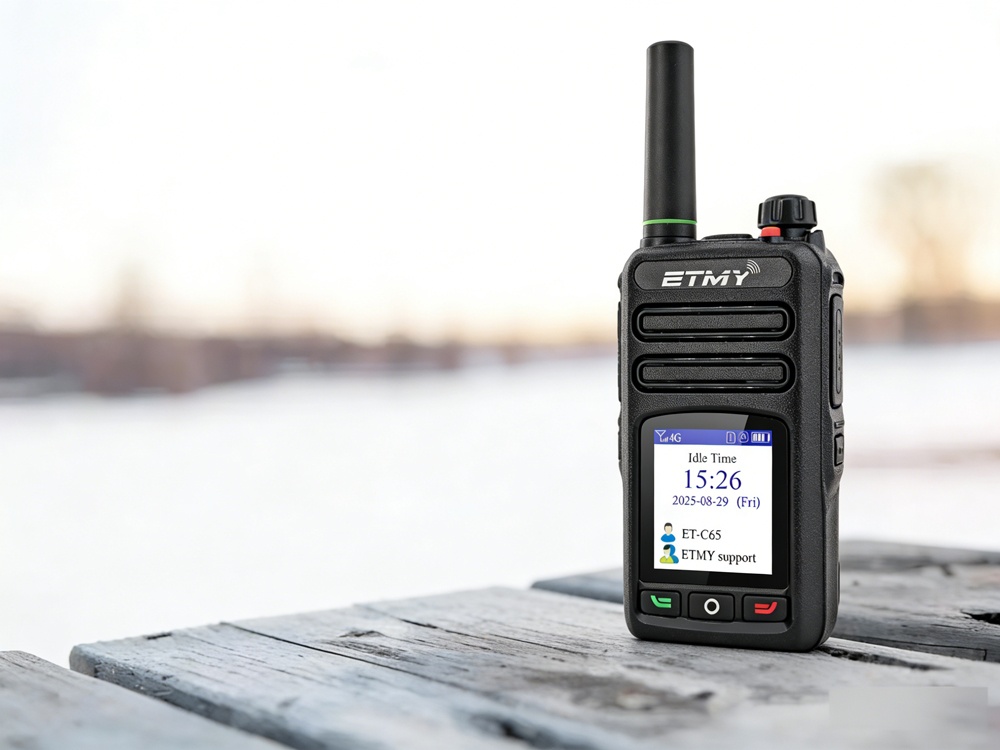
A recent industry report highlights PoC radio adoption for faster, long-distance team communication. Designed for cellular network connectivity, these radios improve coordination in public safety, logistics, and field operations, while offering beginner-friendly setup guidance to ensure reliable activation and compliance.
How exactly do you use a newly acquired PoC radio?