
What is global walkie talkie? Can it be used for unlimited range intercom?
author: z
2024-11-18
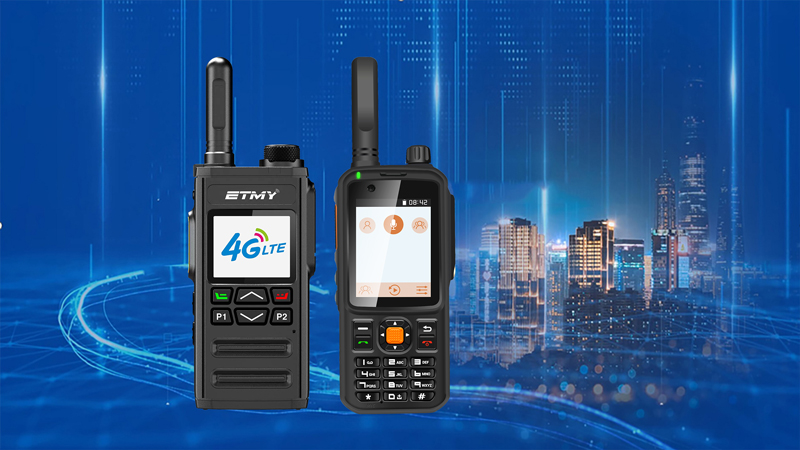
Global Walkie Talkie is a new type of walkie-talkie based on Internet communication technology. It can achieve global communication across geographical and radio frequency bands. Compared with traditional walkie-talkies, global walkie-talkies do not need to rely on specific radio frequency bands.
As long as the device can connect to the Internet, it can communicate. This means that no matter where the user is, as long as their device can access the Internet, they can use global walkie-talkies to make calls. Global walkie-talkies can indeed achieve long-distance and even global communication, but this is not truly "unlimited distance". The communication distance is mainly limited by the coverage and quality of the Internet. As long as the Internet connection is stable, communication can be carried out anywhere in the world in theory. However, in actual use, it may be affected by factors such as network signal strength and data traffic restrictions, so it is not guaranteed that "unlimited distance" communication can be achieved in all cases.

How does Global Walkie-Talkie achieve cross-regional communication??
●Global Walkie Talkie utilizes PTT technology,
a simple and efficient communication method that allows users to start a call by simply pressing a button and end the call by releasing the button, without dialing, making communication instant and convenient.
●Communication Network:
Global Walkie Talkie can connect through a variety of communication networks, including traditional radio frequency (RF) and cellular network-based Push-to-Talk over Cellular (PoC) technology.
●Radio Frequency (RF): Traditional walkie-talkies use designated frequency bands for communication, and the coverage range is limited by the power and antenna performance of the device, and is usually used for short-range communication, such as within the same building or nearby areas.
●Push-to-Talk over Cellular (PoC):
Utilizing cellular networks (such as 4G, 5G) for communication, global coverage can be achieved. As long as there is cellular signal coverage, users can communicate, breaking through the range limitations of traditional radio waves
.
●Digital Signal Processing (DSP) Technology:
.
●Digital Signal Processing (DSP) Technology:
Global Walkie Talkie uses advanced DSP technology to ensure high-quality audio transmission and reception. DSP technology effectively reduces noise and echo, allowing the other party's voice to be clearly heard even in noisy environments
.
●Encrypted communication:
.
●Encrypted communication:
To ensure communication security, global intercoms are equipped with various encryption technologies to prevent unauthorized eavesdropping and information leakage.
GPS positioning: Many global intercoms have built-in GPS modules that support real-time positioning. Users can use the positioning function of the intercom to understand the location of team members and improve work efficiency and safety, especially in emergency rescue and team collaboration scenarios.
●Multi-function integration:
Global intercoms are not only communication tools, but also integrate various practical functions such as emergency alarm, one-click call and group call to meet the needs of different users.
Power management: The intercom is equipped with an efficient battery management system to ensure the reliability of the device during long-term use. Fast charging technology and long-life battery design make the intercom suitable for various long-term operating environments, such as outdoor adventures and security patrols.
Through these technologies, global intercoms can achieve cross-regional communication, allowing users to communicate no matter where they are as long as they can connect to the Internet.
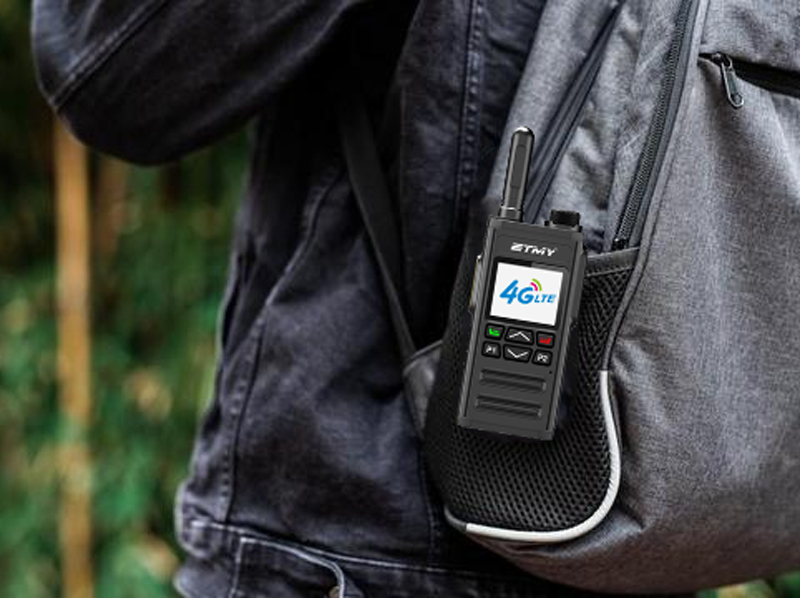
What is the difference between global intercom and mobile phone??
●Network access method:
Global intercom needs to access the Internet through WiFi or cellular data network, while mobile phones use 2G/3G/4G network more.
Communication distance: The communication distance of global public network intercom is generally within several thousand meters and is limited by network coverage, which is different from mobile phones that can communicate globally (mobile phone signals cover the world).
●Communication quality:
The communication quality of global public network intercom is relatively poor, which is related to the quality of WiFi connection, network stability and connection speed, while mobile phones are usually provided and maintained by telecom operators worldwide, and the communication quality is more stable.
●Functional difference:
Global public network intercom has some special functions, such as group calling, broadcasting, location sharing, voice messages, etc., while mobile phones more commonly use traditional communication methods, such as telephone, SMS, instant messaging, etc.
●Application scope:
Global public network intercom is mainly used in commercial, industrial, security and other industries, while mobile phones are more widely used in personal life.
User group and purpose of use: Users of intercoms are often professionals in the industrial, commercial and government fields in society, while users of mobile phones are mass consumers. Walkie-talkies are regarded as production tools for the industry, while mobile phones are personal tools for life.
User group and purpose of use: Users of intercoms are often professionals in the industrial, commercial and government fields in society, while users of mobile phones are mass consumers. Walkie-talkies are regarded as production tools for the industry, while mobile phones are personal tools for life.
●Call mode: Mobile phone communication is point-to-point communication, while walkie-talkies are truly point-to-multipoint communication devices, which determines that the call modes of the two are different
Battery life: Walkie-talkies have obvious advantages in battery life, can be used for ultra-long standby, and continuous talk time is much longer than that of mobile phones, which is particularly important for long-term work and emergency rescue scenarios
●Special environment communication: Walkie-talkies provide reliable communication guarantees in special environments without operator network coverage, such as hotel security, logistics and transportation, disaster relief and other professional scenarios, while mobile phones rely on operator networks
These differences make global public network walkie-talkies and mobile phones play unique roles in different application scenarios and user groups.

The characteristics of global walkie talkie are networking and real-time. Users can communicate anytime and anywhere through mobile terminals or intercom devices, and can customize the required functions. At the same time, the system has many practical functions such as multi-party communication, group communication, information query, voice messaging, etc. PTT global intercom can also encrypt communication data to ensure the security of communication. These characteristics make global intercom an excellent intercom communication method.
Want to take a car trip during the holidays? How to choose a walkie-talkie?
Advantages of two-way radio system, under what circumstances is it applied
Related Article
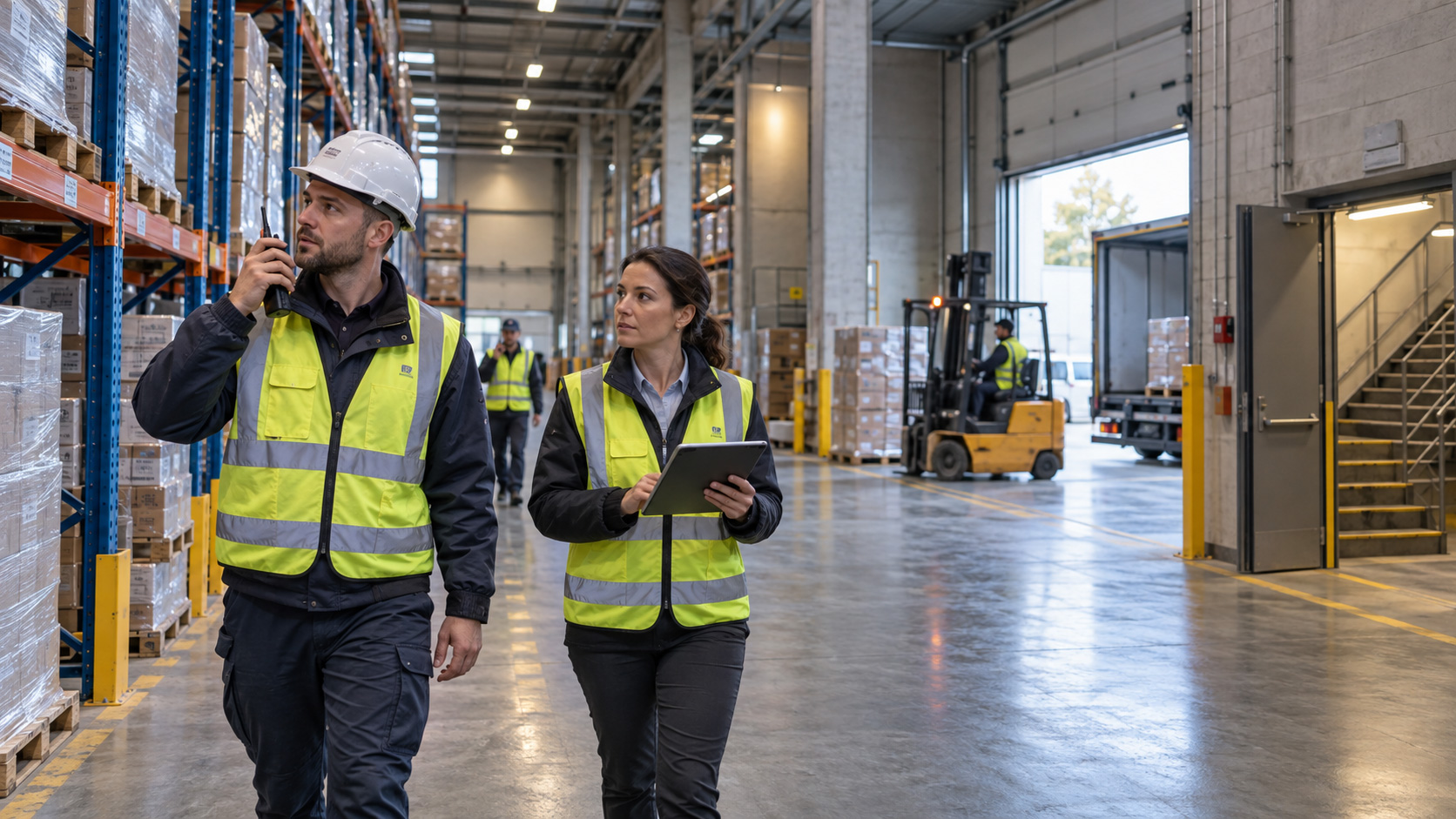
A practical guide to testing two-way radio coverage in the environment where people will actually depend on it.
Why a Radio Coverage Test Can Pass— and the System Still Fails in Real Operation

Most radio operators never take grounding seriously—until their gear is fried. This piece exposes three fatal grounding traps, from shallow rods to mixed signal-and-power grounds, then hands you a six-step, code-compliant checklist drawn from NEC Article 810 and IEEE Std 142. Copy this homework instead.
A grounding error can instantly fry your radio—Installation guide for radio system lightning protection

Professional walkie talkie earpiece guide covering how to put on, wear, and use earpieces correctly. Features brand-specific tips for Motorola, Hytera, Baofeng, and more with structural comparisons for optimal comfort and performance.
How to use walkie talkie earpiece?- The Complete Guide to Walkie Talkie Earpiece Setup
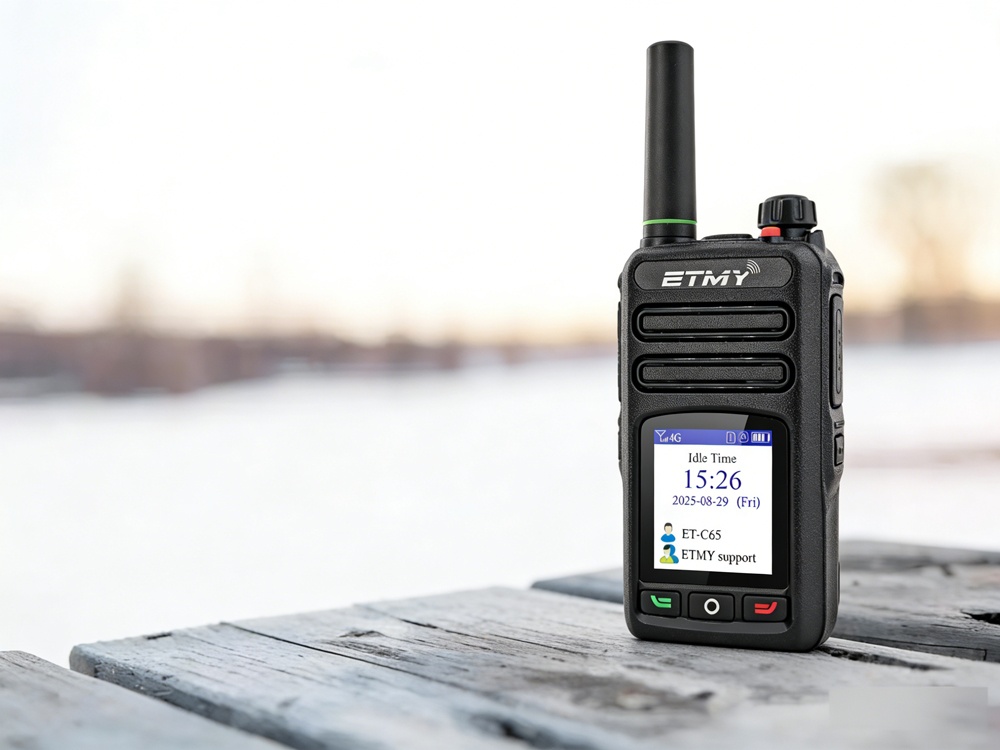
A recent industry report highlights PoC radio adoption for faster, long-distance team communication. Designed for cellular network connectivity, these radios improve coordination in public safety, logistics, and field operations, while offering beginner-friendly setup guidance to ensure reliable activation and compliance.
How exactly do you use a newly acquired PoC radio?