
Comparison of the use of public network intercom and private network intercom
2022-01-19
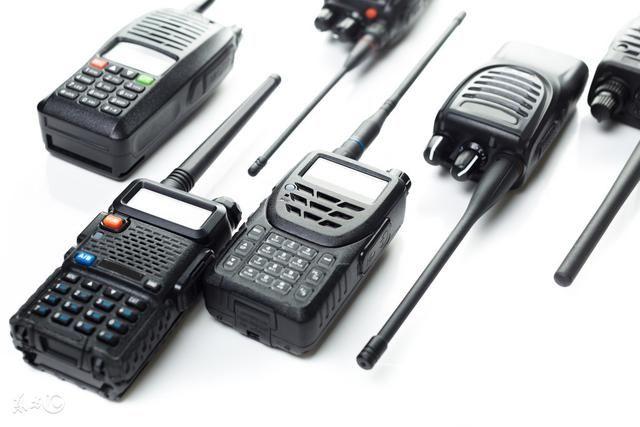
With the rapid development and progress of informatization, wireless walkie-talkies and background command communication systems have become one of the most important communication methods in today's society. When the walkie-talkie was first introduced to the market, it was an analog walkie-talkie. With the development of technology, digital walkie-talkies have been launched in the past few years. In recent years, various manufacturers have launched public network walkie-talkies according to the characteristics of users' communication needs. The difference, let's find out together today.
Analog walkie-talkies and digital walkie-talkies are unified into traditional types of walkie-talkies, and are also called private network walkie-talkies, which use UHF/VHF frequency bands to achieve intercom. The public network walkie-talkie, also known as POC, refers to the half-duplex voice service based on the mobile cellular packet domain bearer and using voip technology. Generally speaking, it is to use wireless network (3G/4G) for digital communication. It is mainly composed of three elements, namely hardware part, IP network operation platform, and traffic card provided by the operator. In fact, to put it more simply, it is a professional WeChat. Let's talk about the main differences between public network walkie-talkies and private network walkie-talkies.
1. Coverage area and distance
At the network level, the private network emphasizes a small-capacity and large-coverage network, which can provide coverage services for specific places; the public network emphasizes a large-capacity and wide-coverage network, which relies on the network already set up by the operator, so the communication distance The length of the phone is unlimited, and the mobile phone signal covers the area, and you can freely talk to each other.2. Cost
The limitation of the communication network determines that the private network walkie-talkie requires high construction costs. The private network walkie-talkie is easily constrained by many aspects such as transmission power, antenna erection height, sensitivity, etc. Therefore, to achieve ultra-long communication distance, it is usually necessary to erect high The cost of the repeater station and the layout of the related line engineering require a lot of manpower and material resources during the construction process. After the repeater equipment is set up, it needs to be maintained by personnel; while the public network walkie-talkie relies on the public mobile network and does not need to deploy base stations, which is very convenient. .
3. Communication function
The public network intercom has rich multimedia communication functions. In addition to realizing cluster intercom, it also has the functions of voice, video and data services, such as single call, group call, all call, emergency call, SMS, GPS and other data transmission Value-added features. The mode of the private network is to transmit by itself and receive by another machine. It needs to build a signal channel by itself, and some support one-to-one single calls.4. Application scenarios
The public network intercom provides services to the public, mainly based on economic benefits, and is suitable for industries with a wide communication area, such as logistics and transportation, hotel management, urban security, railways, shopping malls and other industries. The private network is oriented to some specific departments and groups and related industry users, providing emergency communication and dispatching services, and more emphasis on social benefits.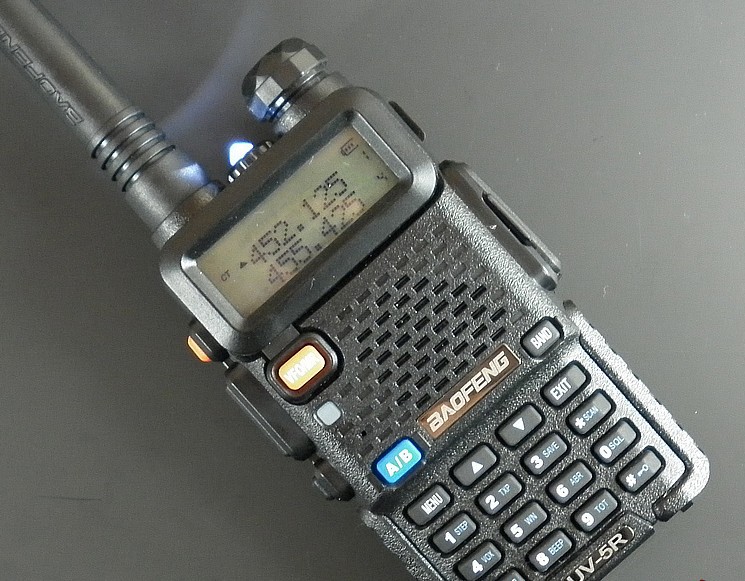
A new era of intercom is coming, and the refined demand of public network intercom has become a long way to go with the in-depth development of industry applications. As a leading IoT solution provider in the field of location services, Jimmy provides smart security solutions for more business users. The solution is to help staff query video, alarms and other related information and process tasks anytime and anywhere through smart terminals and management platforms. , report work content, return live audio, video, GIS information in real time, call the command center with one key, realize cluster intercom, two-way audio and video, etc., and realize traceability and retrospective management of the whole process. The command center helps managers keep abreast of the whereabouts of law enforcement personnel and task execution through the system, and continuously improves the modern management level of comprehensive law enforcement.
source:pttcn.net
The Ministry of Industry and Information Technology organized an inspection of the radio security and communication guarantee work of the Winter Olympics
German Bavarian Network of Integrated Control Centers to Implement Important Functional Enhancements
Related Article

A practical guide to testing two-way radio coverage in the environment where people will actually depend on it.
Why a Radio Coverage Test Can Pass— and the System Still Fails in Real Operation

Most radio operators never take grounding seriously—until their gear is fried. This piece exposes three fatal grounding traps, from shallow rods to mixed signal-and-power grounds, then hands you a six-step, code-compliant checklist drawn from NEC Article 810 and IEEE Std 142. Copy this homework instead.
A grounding error can instantly fry your radio—Installation guide for radio system lightning protection

Professional walkie talkie earpiece guide covering how to put on, wear, and use earpieces correctly. Features brand-specific tips for Motorola, Hytera, Baofeng, and more with structural comparisons for optimal comfort and performance.
How to use walkie talkie earpiece?- The Complete Guide to Walkie Talkie Earpiece Setup
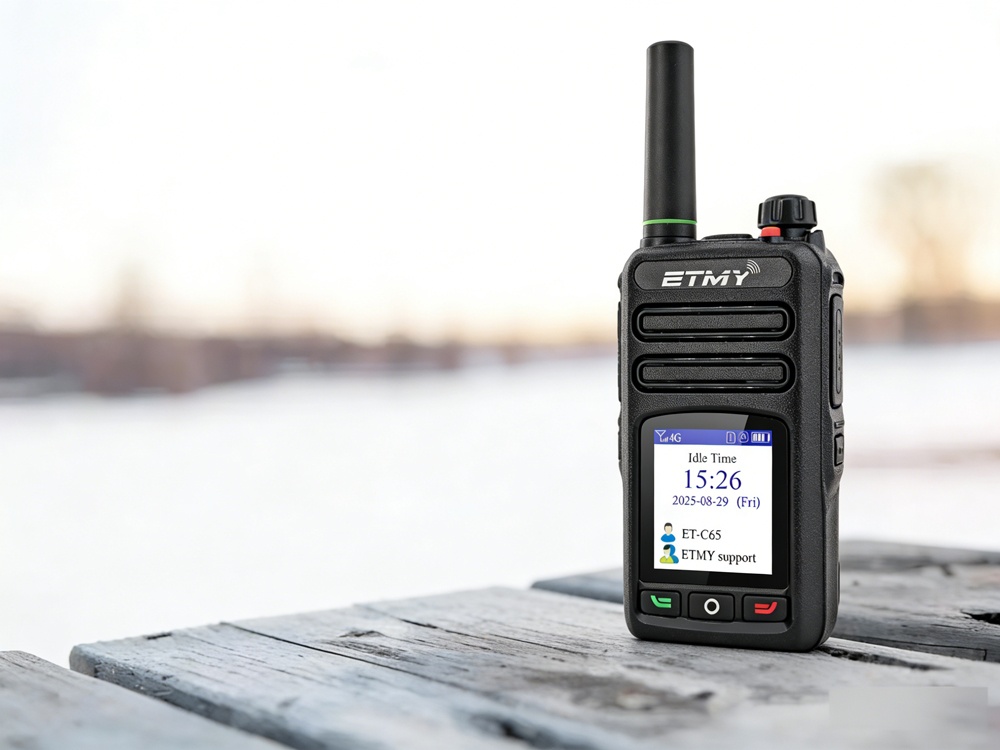
A recent industry report highlights PoC radio adoption for faster, long-distance team communication. Designed for cellular network connectivity, these radios improve coordination in public safety, logistics, and field operations, while offering beginner-friendly setup guidance to ensure reliable activation and compliance.
How exactly do you use a newly acquired PoC radio?