Cuba Jamming Ham Radio?
source:spectrum.ieee.org
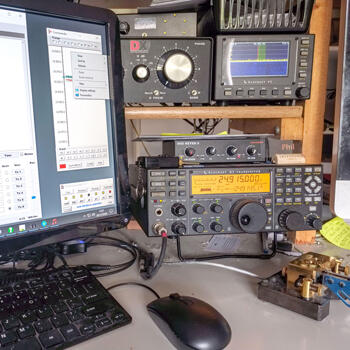
Cuba has a long history of interfering with broadcast signals, with several commercial radio stations in Florida allowed to operate at higher than normal power levels to combat jamming. But these new mystery signals appeared to be intentionally targeting amateur radio transmissions. A few hours after the protest broke out on the 11th, ham Alex Valladares (W7HU) says he was speaking with a Cuban operator on 7.130 megahertz in the 40-meter band, when their conversation was suddenly overwhelmed with interference. “We moved to 7170, and they jam the frequency there,” he says.
Valladres explains he escaped from Cuba to the United States in a raft in 2005. Like many hams in the large Cuban-American community in Florida, he frequently talks with operators in Cuba, and now he says the government there is “jamming the signal to prevent the Cuban people who listen to us and to prevent them from talking between them[selves].” Valladres has also heard reports that VHF 2-meter band repeaters have been shut down in Cuba.
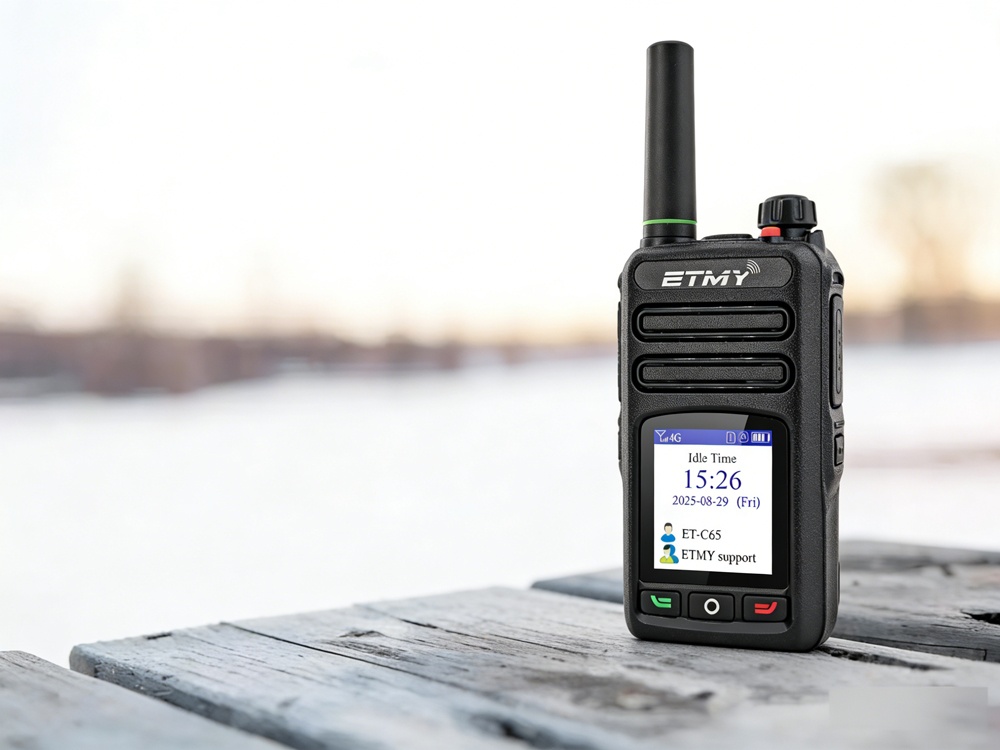
Two-meter band radios are typically low-power handheld walkie-talkies used for short-range communications. Because Florida and Cuba are so close—only about 175 kilometers separates them at their closest point—it’s possible for 2-meter communications to cross the distance. “It was possible to go between Miami and Havana … with an external antenna you can talk to Havana easy because it’s not that far, it’s like 230 miles away,” says Valladres.
“The response has been real strong from the people who talk to Cuba, but some people couldn’t care less [as long it doesn’t affect them], but this is making that part of the spectrum unusable,” says Arocha, saying he’s seen operators from Germany and Spain report the interference. “It gives me a sense of frustration for people not to give a damn about this.” In particular, Arocha is annoyed that the American Radio Relay League (ARRL) is not being vocal about the issue.
“We are aware of reports from radio amateurs of non-amateur signals observed in the amateur bands, and mostly likely originating in the direction of Cuba,” says the ARRL’s Bob Inderblizten (NQ1R). However, because American hams have access to so much spectrum and so the overall impact is limited in the United States, and because the ARRL is a national rather than international organization, “There’s no real role for ARRL” in this situation, says Inderblizten.
Department of Emergency Communications Scheduled for Site-Based Assessment to Achieve CALEA Accreditation
County supervisors address public safety communications concerns
Related Article