
How ITU provides emergency communications in a pandemic
2021-08-23
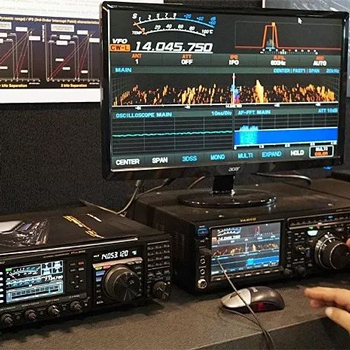
source:miragenews.com
In addition, according to the recently published Intergovernmental Panel on Climate Change (IPCC) report, Climate Change 2021: Physical Science Fundamentals, Extreme Weather Events, We Are Facing Today-From Cyclones in India to Destructive Floods in China to Widespread Wildfires in North America And the ongoing drought across Africa-will continue and worsen in the coming decades.
Telecommunications networks are essential for coordinating disaster relief efforts, but they are often destroyed when disasters occur.
At the request of member states, after the disaster, ITU deployed temporary information and communication technology (ICT) solutions to help restore the telecommunications links needed for the response. ITU ETR is a new addition to this service.
“Sometimes, these are the only phones available in the disaster area and the only channel for the organization to coordinate with the different stakeholders responsible for overall disaster management.” Although training is mainly conducted online during the COVID pandemic-from the use of equipment to personal safety Training-but there are still some aspects that need to be completed in person.
To ensure that life-saving equipment is working properly, the ETR team needs to test it regularly. The equipment includes BGAN terminals, Iridium satellite phones and other terminals. "We must prepare everything in advance so that in the event of a disaster, the only thing we have to do is pack the equipment and transport it to where it is needed," explained Jake Spinnler of the ITU Emergency Communications Department.
Spinnler is a member of the ITU Emergency Telecommunications Team and is currently coordinating the ITU Emergency Telecommunications Register (ETR), which is a voluntary group composed of ITU staff from the entire organization. In-deployment services.
"In the past few months, we have been inspecting and testing satellite phones and Broadband Global Area Network (BGAN) terminals to see if the equipment is complete, working properly, or if we need to purchase spare parts," Spinnler added, he said. Have received training in the use of emergency communications equipment to help ensure that important communications networks are maintained during rescue operations. "I visited almost all countries in the world and brought these equipment to help them with their response coordination and disaster recovery," said Maritza Delgado, ITU's emergency communications program officer.
In addition, according to the recently published Intergovernmental Panel on Climate Change (IPCC) report, Climate Change 2021: Physical Science Fundamentals, Extreme Weather Events, We Are Facing Today-From Cyclones in India to Destructive Floods in China to Widespread Wildfires in North America And the ongoing drought across Africa-will continue and worsen in the coming decades.
Telecommunications networks are essential for coordinating disaster relief efforts, but they are often destroyed when disasters occur.
At the request of member states, after the disaster, ITU deployed temporary information and communication technology (ICT) solutions to help restore the telecommunications links needed for the response. ITU ETR is a new addition to this service.
"I visited almost all countries in the world and brought these equipment to help them with their response coordination and disaster recovery," said Maritza Delgado, ITU's emergency communications program officer.
"Sometimes, these are the only phones available in the disaster area and the only channel for the organization to coordinate with the different stakeholders responsible for overall disaster management." ITU's work on emergency communications goes far beyond sending critical emergency communications equipment.
To ensure that life-saving equipment is working properly, the ETR team needs to test it regularly. The equipment includes BGAN terminals, Iridium satellite phones and other terminals.
"As a radio communication engineer, using these satellite equipment is an excellent opportunity to gain practical experience," said Veronique Glaude, ITU-R senior radio communication engineer. "This equipment is essential to assist emergency responders to communicate in a timely manner and enable them to respond to the humanitarian needs of affected individuals and communities. I am very honored to be able to participate in this process."
For many ITU staff, being part of the ETR has a positive impact on their work in ITU.
"One of my responsibilities in ITU is to act as an acting consultant for ITU-T Study Group 2, which plays a leading role in the development of ITU standards for disaster relief, early warning, cyber resilience and recovery. ETR provides There is a direct link between theory and practice," said Rob Clark, project coordinator of the ITU-T study group.
"As part of ETR, I understand the role played by ITU and its partners in the field of emergency telecommunications and disaster relief. It also reminds me of the direct impact of ITU's field work. This is a useful point of view. It is included in my'day-to-day work' to support ITU members to develop international telecommunications standards," he said.
Last year, thanks to these partnerships, ITU supported Vanuatu and Fiji in April and December respectively during tropical cyclones Harold and Yassa. During the COVID-19 pandemic, due to travel restrictions and on-site deployments were suspended, ITU strengthened its partnership with satellite providers to provide the necessary connections and equipment.
ITU also supports the formulation and implementation of national emergency communications plans; regulatory and legal frameworks; spectrum management of different types of satellite equipment for disaster management, including the development of early warning systems; and development of international standards for disaster preparedness and effective in the event of a disaster Cope.
In addition, according to the recently published Intergovernmental Panel on Climate Change (IPCC) report, Climate Change 2021: Physical Science Fundamentals, Extreme Weather Events, We Are Facing Today-From Cyclones in India to Destructive Floods in China to Widespread Wildfires in North America And the ongoing drought across Africa-will continue and worsen in the coming decades.
Telecommunications networks are essential for coordinating disaster relief efforts, but they are often destroyed when disasters occur.
At the request of member states, after the disaster, ITU deployed temporary information and communication technology (ICT) solutions to help restore the telecommunications links needed for the response. ITU ETR is a new addition to this service.
“Sometimes, these are the only phones available in the disaster area and the only channel for the organization to coordinate with the different stakeholders responsible for overall disaster management.” Although training is mainly conducted online during the COVID pandemic-from the use of equipment to personal safety Training-but there are still some aspects that need to be completed in person.
To ensure that life-saving equipment is working properly, the ETR team needs to test it regularly. The equipment includes BGAN terminals, Iridium satellite phones and other terminals. "We must prepare everything in advance so that in the event of a disaster, the only thing we have to do is pack the equipment and transport it to where it is needed," explained Jake Spinnler of the ITU Emergency Communications Department.
Spinnler is a member of the ITU Emergency Telecommunications Team and is currently coordinating the ITU Emergency Telecommunications Register (ETR), which is a voluntary group composed of ITU staff from the entire organization. In-deployment services.
"In the past few months, we have been inspecting and testing satellite phones and Broadband Global Area Network (BGAN) terminals to see if the equipment is complete, working properly, or if we need to purchase spare parts," Spinnler added, he said. Have received training in the use of emergency communications equipment to help ensure that important communications networks are maintained during rescue operations. "I visited almost all countries in the world and brought these equipment to help them with their response coordination and disaster recovery," said Maritza Delgado, ITU's emergency communications program officer.
In addition, according to the recently published Intergovernmental Panel on Climate Change (IPCC) report, Climate Change 2021: Physical Science Fundamentals, Extreme Weather Events, We Are Facing Today-From Cyclones in India to Destructive Floods in China to Widespread Wildfires in North America And the ongoing drought across Africa-will continue and worsen in the coming decades.
Telecommunications networks are essential for coordinating disaster relief efforts, but they are often destroyed when disasters occur.
At the request of member states, after the disaster, ITU deployed temporary information and communication technology (ICT) solutions to help restore the telecommunications links needed for the response. ITU ETR is a new addition to this service.
"I visited almost all countries in the world and brought these equipment to help them with their response coordination and disaster recovery," said Maritza Delgado, ITU's emergency communications program officer.
"Sometimes, these are the only phones available in the disaster area and the only channel for the organization to coordinate with the different stakeholders responsible for overall disaster management." ITU's work on emergency communications goes far beyond sending critical emergency communications equipment.
To ensure that life-saving equipment is working properly, the ETR team needs to test it regularly. The equipment includes BGAN terminals, Iridium satellite phones and other terminals.
"As a radio communication engineer, using these satellite equipment is an excellent opportunity to gain practical experience," said Veronique Glaude, ITU-R senior radio communication engineer. "This equipment is essential to assist emergency responders to communicate in a timely manner and enable them to respond to the humanitarian needs of affected individuals and communities. I am very honored to be able to participate in this process."
For many ITU staff, being part of the ETR has a positive impact on their work in ITU.
"One of my responsibilities in ITU is to act as an acting consultant for ITU-T Study Group 2, which plays a leading role in the development of ITU standards for disaster relief, early warning, cyber resilience and recovery. ETR provides There is a direct link between theory and practice," said Rob Clark, project coordinator of the ITU-T study group.
"As part of ETR, I understand the role played by ITU and its partners in the field of emergency telecommunications and disaster relief. It also reminds me of the direct impact of ITU's field work. This is a useful point of view. It is included in my'day-to-day work' to support ITU members to develop international telecommunications standards," he said.
Last year, thanks to these partnerships, ITU supported Vanuatu and Fiji in April and December respectively during tropical cyclones Harold and Yassa. During the COVID-19 pandemic, due to travel restrictions and on-site deployments were suspended, ITU strengthened its partnership with satellite providers to provide the necessary connections and equipment.
ITU also supports the formulation and implementation of national emergency communications plans; regulatory and legal frameworks; spectrum management of different types of satellite equipment for disaster management, including the development of early warning systems; and development of international standards for disaster preparedness and effective in the event of a disaster Cope.
Radio amateurs, from their room to the world in the days of confinement
How crisis management techniques can help emergency managers prepare for active shootings
Related Article
A practical guide to testing two-way radio coverage in the environment where people will actually depend on it.
Why a Radio Coverage Test Can Pass— and the System Still Fails in Real Operation

Most radio operators never take grounding seriously—until their gear is fried. This piece exposes three fatal grounding traps, from shallow rods to mixed signal-and-power grounds, then hands you a six-step, code-compliant checklist drawn from NEC Article 810 and IEEE Std 142. Copy this homework instead.
A grounding error can instantly fry your radio—Installation guide for radio system lightning protection

Professional walkie talkie earpiece guide covering how to put on, wear, and use earpieces correctly. Features brand-specific tips for Motorola, Hytera, Baofeng, and more with structural comparisons for optimal comfort and performance.
How to use walkie talkie earpiece?- The Complete Guide to Walkie Talkie Earpiece Setup
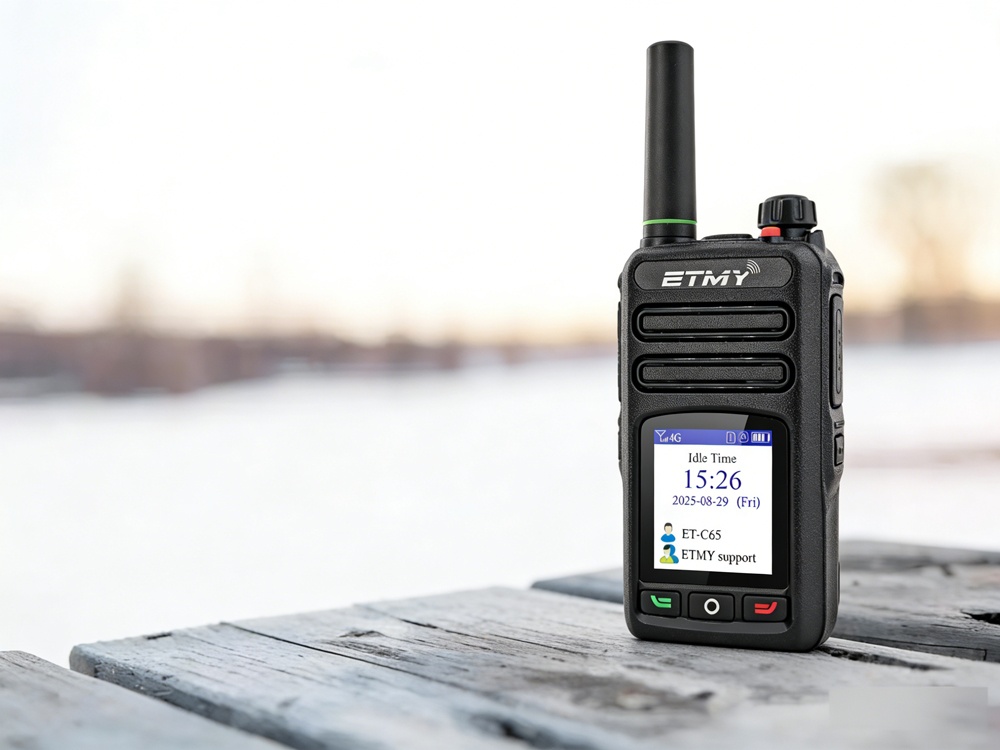
A recent industry report highlights PoC radio adoption for faster, long-distance team communication. Designed for cellular network connectivity, these radios improve coordination in public safety, logistics, and field operations, while offering beginner-friendly setup guidance to ensure reliable activation and compliance.
How exactly do you use a newly acquired PoC radio?