
Search for missing elder in Juneau sparks questions about Alaska’s Silver Alert system
2021-08-13
SOURCE:www.ktoo.org
Barbara Cadiente-Nelson, a volunteer in the search party, asked the Alaska State Troopers on May 21 about whether a Silver Alert was sent out.
“Despite the communication and despite the effort, there are still people who are unaware that we have an elder that’s missing,” Cadiente-Nelson said. “And I have never received a Silver Alert. And the people I’ve spoken to have not either.”
According to the Silver Alert archive, the alert for Geraldine Nelson was active from May 17 at 10:37 p.m. until she was found dead on May 21.
Silver Alerts are meant to help the public locate vulnerable adults who go missing, like Preston Nelson’s grandmother who had dementia.
When he asked the Facebook group if they got a Silver Alert for his grandmother, almost 100 people commented. Most of them said “no.” And there was a lot of confusion about how they would get the Silver Alert.
Nelson now has a lot of questions about how these alerts work.“Basically, how does the system work?” he asked. “How should it work? Why didn’t it work when they sent an activation?”
Tom Mattice, Juneau’s Emergency Program Manager, was in Anchorage before, and he had a Silver Alert sent to his phone. He thought that would happen in Juneau too, but it did not. So he went to the Alaska State Troopers to find out why. They manage the Silver Alert system.
He asked the Alaska State Troopers if Silver Alerts trigger the Wireless Emergency Alert system.WEA is what sends out emergency notifications to people’s phones.
After that meeting, Mattice said he wants to look more into whether Silver Alerts work as intended. The Silver Alert website isn’t helpful in clarifying this either, since there is no mention of WEA at all.
“And then we have the ability to forward that up to the state’s Emergency Communications Committee and request that this be potentially reviewed, revised, or changed.”
Mattice said that triggering WEA — sending a message to everyone’s cell phones for every Silver Alert — may not be the answer.
“But I think that having the ability to trigger WEA around those individual alerts actually has the potential to create amazing additions to response,” Mattice said. “So we definitely need to have the ability to trigger WEA if and when the shoe fits. The question is, when is that correct and appropriate?”
Silver Alerts are not a phone notification, at least not in Alaska, according to the Alaska State Troopers.
Some other states, including Arizona and Wisconsin, have the ability to send phone notifications for Silver Alerts. But in Alaska, WEA is only triggered for presidential alerts, severe weather alerts and AMBER Alerts.
Alaska State Trooper Public Information Officer Austin McDaniel explained why AMBER Alerts get phone notifications and Silver Alerts don’t.
“A Silver Alert is usually, not all of the time, but usually not a kind of criminal nexus involved in it. Which is the difference between an AMBER Alert, which is for a child, under that criminal nexus is the child abduction,” McDaniel said
This is the case for all cities in Alaska but Anchorage. Troopers say Anchorage police handle their own Silver Alerts and can choose how to broadcast them. Juneau police, however, need to go through the Troopers to issue one.
Since the Silver Alert would not go to people’s phones in the area, how would they get the alert? Through Silver Alert social media pages, through their email list or through TV and radio broadcasts.
But those TV and radio broadcasts aren’t mandatory. It is not clear whether those emails automatically go to local media organizations.
According to the state’s Silver Alert plan, they’re supposed to have an email list specifically for the media. And then media can share those alerts on their broadcasts. But KTOO doesn’t appear to be on an email list. Troopers couldn’t confirm if we were on it.
And in an email, Trooper Public Information Officer Austin McDaniel says they don’t have a media list at all. He says it’s local law enforcement’s job to keep local media informed.
Nelson is frustrated with this system. He wants the Silver Alerts to reach more people. And he thinks they should be automatic, not something you voluntarily sign up for.
He was able to find her safe within a couple of hours. Afterward, Nelson commented on his post with some questions,His next step is contacting his state representatives to change the Silver Alert system. He does not want what happened with his grandmother to happen to anyone else.
Barbara Cadiente-Nelson, a volunteer in the search party, asked the Alaska State Troopers on May 21 about whether a Silver Alert was sent out.
“Despite the communication and despite the effort, there are still people who are unaware that we have an elder that’s missing,” Cadiente-Nelson said. “And I have never received a Silver Alert. And the people I’ve spoken to have not either.”
According to the Silver Alert archive, the alert for Geraldine Nelson was active from May 17 at 10:37 p.m. until she was found dead on May 21.
Silver Alerts are meant to help the public locate vulnerable adults who go missing, like Preston Nelson’s grandmother who had dementia.
When he asked the Facebook group if they got a Silver Alert for his grandmother, almost 100 people commented. Most of them said “no.” And there was a lot of confusion about how they would get the Silver Alert.
Nelson now has a lot of questions about how these alerts work.“Basically, how does the system work?” he asked. “How should it work? Why didn’t it work when they sent an activation?”
Tom Mattice, Juneau’s Emergency Program Manager, was in Anchorage before, and he had a Silver Alert sent to his phone. He thought that would happen in Juneau too, but it did not. So he went to the Alaska State Troopers to find out why. They manage the Silver Alert system.
He asked the Alaska State Troopers if Silver Alerts trigger the Wireless Emergency Alert system.WEA is what sends out emergency notifications to people’s phones.
After that meeting, Mattice said he wants to look more into whether Silver Alerts work as intended. The Silver Alert website isn’t helpful in clarifying this either, since there is no mention of WEA at all.
“And then we have the ability to forward that up to the state’s Emergency Communications Committee and request that this be potentially reviewed, revised, or changed.”
Mattice said that triggering WEA — sending a message to everyone’s cell phones for every Silver Alert — may not be the answer.
“But I think that having the ability to trigger WEA around those individual alerts actually has the potential to create amazing additions to response,” Mattice said. “So we definitely need to have the ability to trigger WEA if and when the shoe fits. The question is, when is that correct and appropriate?”
Silver Alerts are not a phone notification, at least not in Alaska, according to the Alaska State Troopers.
Some other states, including Arizona and Wisconsin, have the ability to send phone notifications for Silver Alerts. But in Alaska, WEA is only triggered for presidential alerts, severe weather alerts and AMBER Alerts.
Alaska State Trooper Public Information Officer Austin McDaniel explained why AMBER Alerts get phone notifications and Silver Alerts don’t.
“A Silver Alert is usually, not all of the time, but usually not a kind of criminal nexus involved in it. Which is the difference between an AMBER Alert, which is for a child, under that criminal nexus is the child abduction,” McDaniel said
This is the case for all cities in Alaska but Anchorage. Troopers say Anchorage police handle their own Silver Alerts and can choose how to broadcast them. Juneau police, however, need to go through the Troopers to issue one.
Since the Silver Alert would not go to people’s phones in the area, how would they get the alert? Through Silver Alert social media pages, through their email list or through TV and radio broadcasts.
But those TV and radio broadcasts aren’t mandatory. It is not clear whether those emails automatically go to local media organizations.
According to the state’s Silver Alert plan, they’re supposed to have an email list specifically for the media. And then media can share those alerts on their broadcasts. But KTOO doesn’t appear to be on an email list. Troopers couldn’t confirm if we were on it.
And in an email, Trooper Public Information Officer Austin McDaniel says they don’t have a media list at all. He says it’s local law enforcement’s job to keep local media informed.
Nelson is frustrated with this system. He wants the Silver Alerts to reach more people. And he thinks they should be automatic, not something you voluntarily sign up for.
He was able to find her safe within a couple of hours. Afterward, Nelson commented on his post with some questions,His next step is contacting his state representatives to change the Silver Alert system. He does not want what happened with his grandmother to happen to anyone else.
Thorbjorsen delivers big rally, needs another in US Amateur
Former CEO of American Electric Power Dies at 94 IEEE also mourns the loss of other members
Related Article

A practical guide to testing two-way radio coverage in the environment where people will actually depend on it.
Why a Radio Coverage Test Can Pass— and the System Still Fails in Real Operation

Most radio operators never take grounding seriously—until their gear is fried. This piece exposes three fatal grounding traps, from shallow rods to mixed signal-and-power grounds, then hands you a six-step, code-compliant checklist drawn from NEC Article 810 and IEEE Std 142. Copy this homework instead.
A grounding error can instantly fry your radio—Installation guide for radio system lightning protection

Professional walkie talkie earpiece guide covering how to put on, wear, and use earpieces correctly. Features brand-specific tips for Motorola, Hytera, Baofeng, and more with structural comparisons for optimal comfort and performance.
How to use walkie talkie earpiece?- The Complete Guide to Walkie Talkie Earpiece Setup
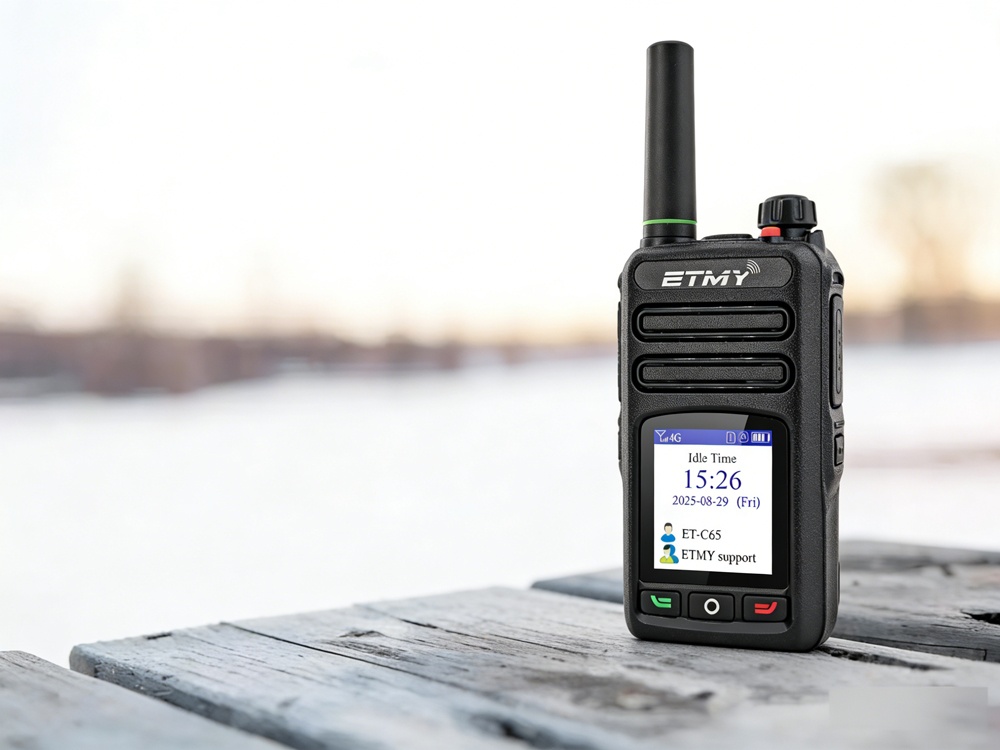
A recent industry report highlights PoC radio adoption for faster, long-distance team communication. Designed for cellular network connectivity, these radios improve coordination in public safety, logistics, and field operations, while offering beginner-friendly setup guidance to ensure reliable activation and compliance.
How exactly do you use a newly acquired PoC radio?