
New program will help police in Mississauga and across Ontario field crisis calls
2021-08-17

source:insauga.com
The OPP Crisis Call Diversion Program, in which a professional mental health and addictions crisis worker will be embedded in all OPP Communication Centres, will help police offer the most appropriate response to calls from people experiencing a mental health or addiction crisis. "By offering critical crisis response services, dedicated mental health and addictions specialists will ensure individuals experiencing a crisis can access immediate supports while diverting the need for police interventions in non-emergency situations." That could include diverting the call to the appropriate mental health services.
"Our government is proud to take steps to enhance care for mental health and other acute crisis situations through the Crisis Call Diversion Program," said Ontario Solicitor General Sylvia Jones.The program, successfully piloted by OPP London, has been helping callers with a variety of acute crisis situations including mental health and substance use issues, relationship conflicts and family matters.
Once assigned to an incoming call at an OPP communication centre, the crisis worker can help callers who are experiencing a crisis by providing resources and tools, offering referrals and helping them navigate the mental health system. The workers can also provide support and assist in preliminary de-escalation when a call has been assigned to a police officer, officials say.
The provincial government's $8.4-million investment for the program will be delivered over three years. OPP Thunder Bay has jumped on board with the program as well, and it will be implemented at other communication centres across Ontario later this year, according to the Solicitor General's office.
"The Crisis Call Diversion Program not only reduces the use of police personnel for non-emergent responses when appropriate, but also helps individuals experiencing mental health crises by offering better pathways to meet their needs and supporting the de-stigmatization of mental health.”
"Our officers respond to thousands of mental health calls a year," said OPP Commissioner Thomas Carrique.
The OPP Crisis Call Diversion Program, in which a professional mental health and addictions crisis worker will be embedded in all OPP Communication Centres, will help police offer the most appropriate response to calls from people experiencing a mental health or addiction crisis. "By offering critical crisis response services, dedicated mental health and addictions specialists will ensure individuals experiencing a crisis can access immediate supports while diverting the need for police interventions in non-emergency situations." That could include diverting the call to the appropriate mental health services.
"Our government is proud to take steps to enhance care for mental health and other acute crisis situations through the Crisis Call Diversion Program," said Ontario Solicitor General Sylvia Jones.The program, successfully piloted by OPP London, has been helping callers with a variety of acute crisis situations including mental health and substance use issues, relationship conflicts and family matters.
Once assigned to an incoming call at an OPP communication centre, the crisis worker can help callers who are experiencing a crisis by providing resources and tools, offering referrals and helping them navigate the mental health system. The workers can also provide support and assist in preliminary de-escalation when a call has been assigned to a police officer, officials say.
The provincial government's $8.4-million investment for the program will be delivered over three years. OPP Thunder Bay has jumped on board with the program as well, and it will be implemented at other communication centres across Ontario later this year, according to the Solicitor General's office.
"The Crisis Call Diversion Program not only reduces the use of police personnel for non-emergent responses when appropriate, but also helps individuals experiencing mental health crises by offering better pathways to meet their needs and supporting the de-stigmatization of mental health.”
"Our officers respond to thousands of mental health calls a year," said OPP Commissioner Thomas Carrique.
Amateur radio call: Baofeng
Amateur Radio Club competes in global Field Days
Related Article

A practical guide to testing two-way radio coverage in the environment where people will actually depend on it.
Why a Radio Coverage Test Can Pass— and the System Still Fails in Real Operation

Most radio operators never take grounding seriously—until their gear is fried. This piece exposes three fatal grounding traps, from shallow rods to mixed signal-and-power grounds, then hands you a six-step, code-compliant checklist drawn from NEC Article 810 and IEEE Std 142. Copy this homework instead.
A grounding error can instantly fry your radio—Installation guide for radio system lightning protection

Professional walkie talkie earpiece guide covering how to put on, wear, and use earpieces correctly. Features brand-specific tips for Motorola, Hytera, Baofeng, and more with structural comparisons for optimal comfort and performance.
How to use walkie talkie earpiece?- The Complete Guide to Walkie Talkie Earpiece Setup
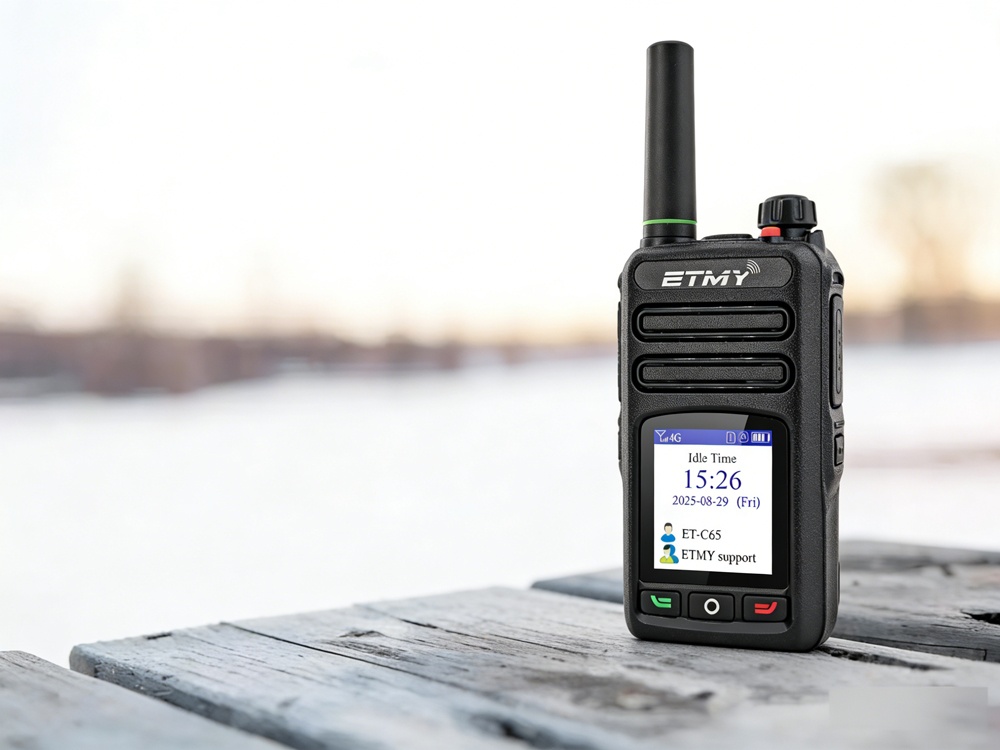
A recent industry report highlights PoC radio adoption for faster, long-distance team communication. Designed for cellular network connectivity, these radios improve coordination in public safety, logistics, and field operations, while offering beginner-friendly setup guidance to ensure reliable activation and compliance.
How exactly do you use a newly acquired PoC radio?