
On the classification of walkie talkie earphones
author: z
2024-05-08
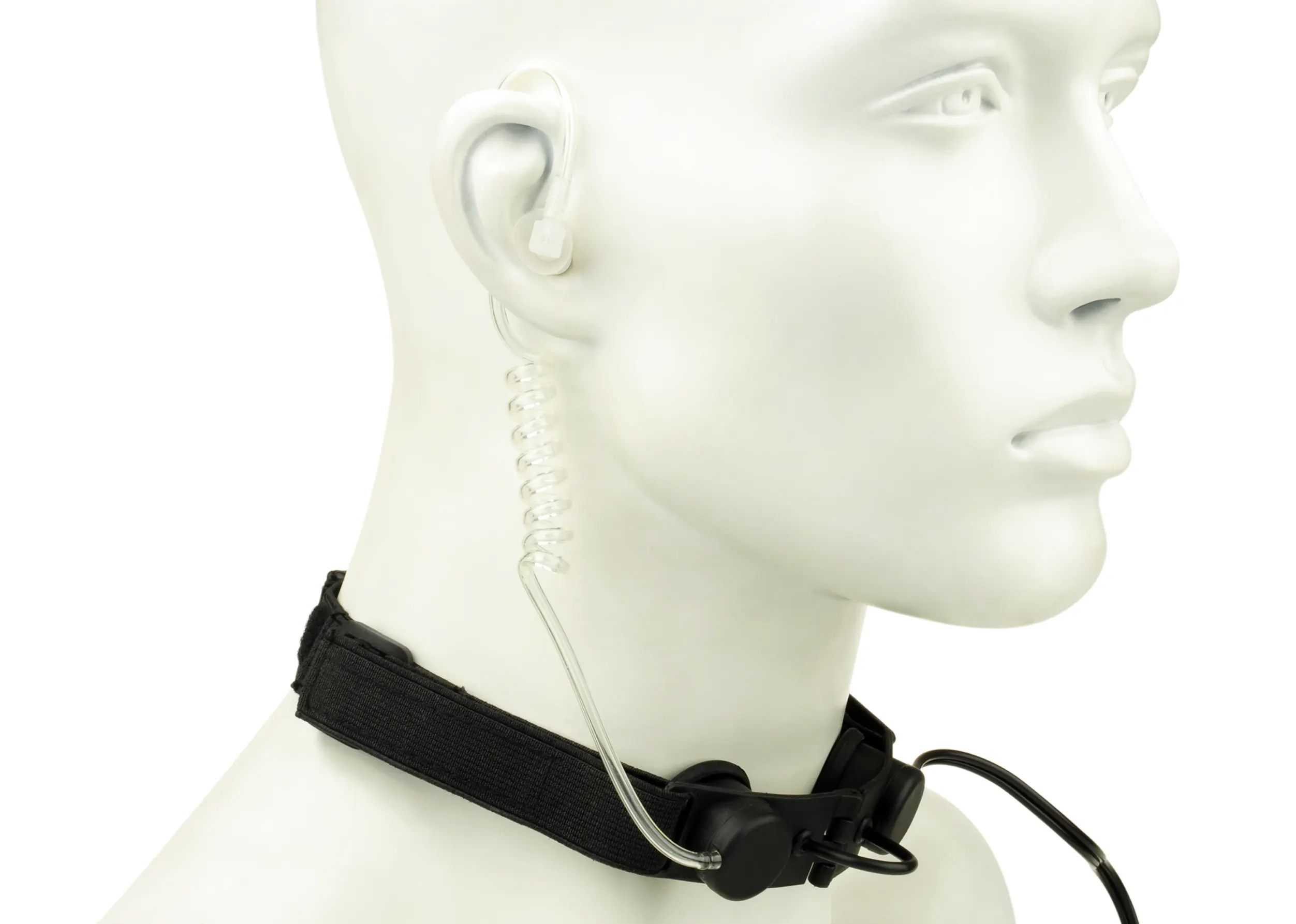
Earphones play a great role in the use of walkie talkies, not only freeing the caller's hands, but sometimes also playing a role in covert communication, which is related to their specific working environment. Currently, with the continuous development of the walkie talkie market, the headphone market is also receiving people's attention. There are many brands of walkie talkie earphone products, and the variety classification and usage methods are also different. Sometimes, the configuration of the earphones varies for different brands and models of the whole machine, which can easily cause confusion among consumers. In this article, we classify the headphones commonly worn in walkie talkies, hoping to provide users with some help and reference.


1、 From the perspective of wearing methods, there are earbud style, earhook style, and headset style (light, medium, and heavy)
Earplug and hanging earphones have a small size and are easy to carry, making them popular headphones in the market and the most commonly used earphones in walkie talkies. There are generally two forms: a combination microphone and a built-in microphone. High cost performance earplugs and ear hanging earphones allow users to use them without the need to remove the walkie talkie from the carrying case, thereby improving their work efficiency. Suitable for retail, hotel, catering and other industries.
Headwear is generally larger and has a certain weight, making it inconvenient to carry, but it has strong performance and is less susceptible to external interference. Headphones create conditions for hands-free communication and are therefore an effective tool for significantly improving work efficiency.
It includes three types: lightweight headphones, medium-sized headphones, and heavy-duty headphones.
Lightweight headphones not only create conditions for high-definition, hands-free, and separate two-way communication, but also increase comfort, allowing for extended wearing in moderate noise. Suitable for the entertainment, retail, sports, and leisure industries. Mid size headphones not only provide high-definition speech, but also have limited sound insulation function, making them a necessary tool for smooth and clear two-way communication in harsh noisy environments. It is suitable for the construction industry, manufacturing industry, petrochemical industry, and aviation transportation industry. Heavy duty headphones include noise cancelling rotating microphones that can be worn with or without a helmet. Used for transmitting and receiving calls with a noise intensity of up to 125dB. Suitable for mining, construction, manufacturing, and aviation transportation industries.
2、 From the perspective of sound transmission methods, it can be divided into several categories: conventional, air duct, ear bone transmission, laryngeal vibration, etc.
Conventional earphones (microphones) refer to the most common earphones in the market, where the electrical and acoustic signals from the receiver are transmitted through wires to the ear (speaker) to produce sound, while the sound waves transmitted through the air are converted into electrical and acoustic signals and sent to the transmitter through the microphone.

Air duct headphones refer to receivers that convert electroacoustic signals into sound waves, which are then transmitted to the ears through plastic air ducts. Its characteristics are: a. This vibration sound wave is transmitted through a hollow conduit, which can filter out distortion and other noise generated by the speaker. In addition, by transmitting sound through a catheter, the human ear no longer needs to come into close contact with the speaker, and can avoid discomfort caused by the magnetic radiation of the speaker and the heat generated by the speaker coil working in the magnet for a long time. b. Due to the transparent material used for the air duct, it is easy to use in a concealed manner. Therefore, it is also suitable for some special work groups (such as entertainment staff and security personnel) and those who need to use it for a long time.

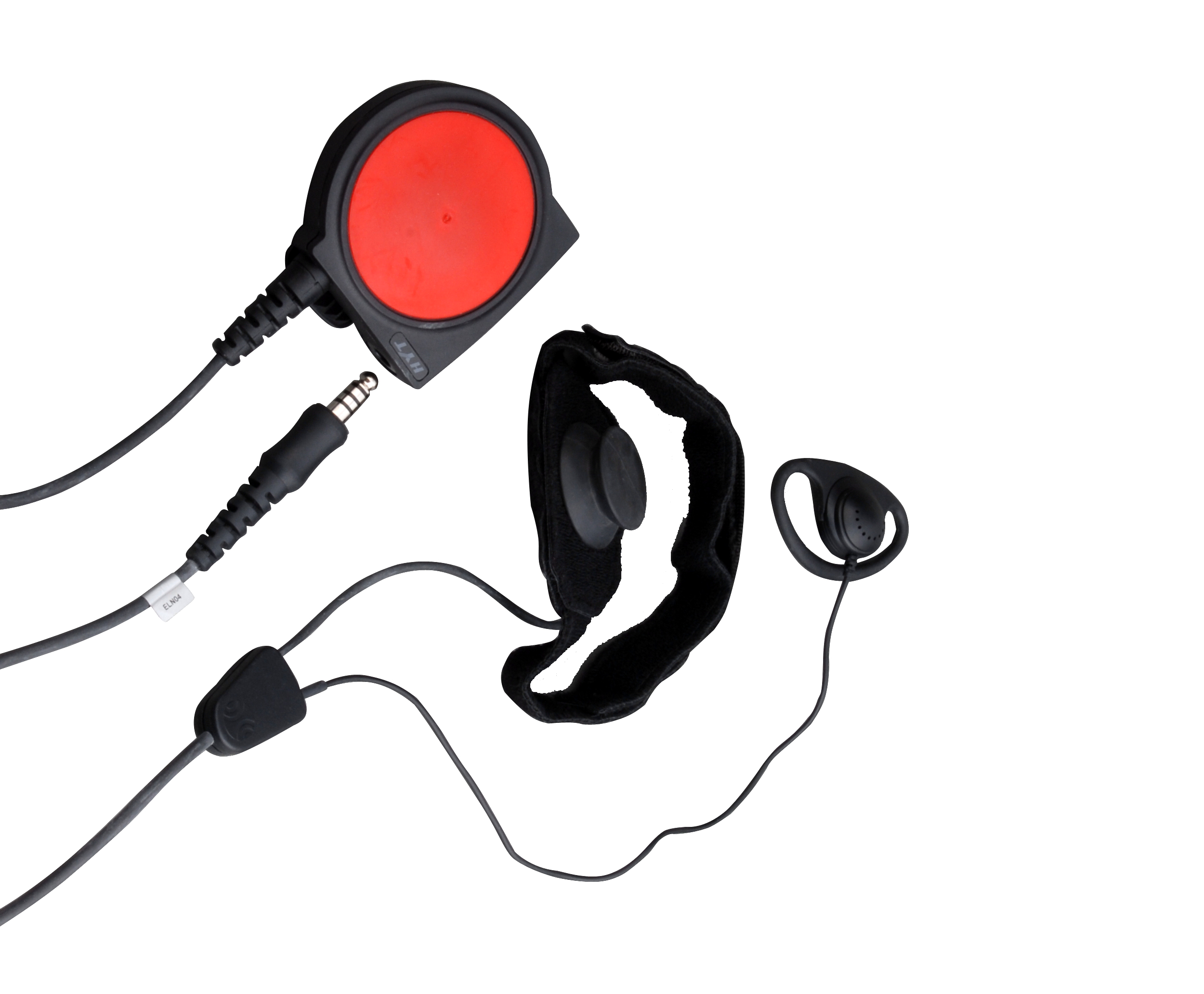
Earbone conductive headphones have high quality and noise resistance, and their transmitter is a vibrating microphone. It utilizes highly sensitive vibration sensors to pick up human tissue vibrations caused by vocal cord vibrations during speech, and converts the vibrations into electrical signals for processing. A bone guided microphone is insensitive to sound waves propagating in the air and has superior noise resistance. Not affected by wind and sound interference, with a unique design, soft texture, and convenient and comfortable wearing.
Throat vibrating headphones utilize the vibration of the vocal cords during speech to transmit the throat vibration to the pickup, which is then converted into an electroacoustic signal and sent to the transmitter. Throat vibration and ear bone type microphones, as they transmit vibrations directly from the throat and ear bones to the pickup, can prevent environmental noise from entering the transmitter. However, the sound transmitted by air may be slightly different, so the other party may feel that the sound is different. This is known as low fidelity, but clear communication is the main purpose of communication.
In addition, there is also a type of invisible earphone on the market. It is a special type of earphone that can be completely concealed with a miniature wireless receiver. All information received by the user's two-way radio is relayed in the form of radio waves to the wireless earphones in the user's ear, which can be conveniently hidden under the user's clothing during secret operations. Security personnel, public security personnel, and private detectives can communicate and contact through this inconspicuous device. Although compact, it can provide a complete set of audio functions, including automatic noise cancellation, automatic gain control, and automatic noise filtering.
What is RF cable? What is the difference between it and coaxial cable
Can I use a walkie-talkie during a thunderstorm?
Related Article

A practical guide to testing two-way radio coverage in the environment where people will actually depend on it.
Why a Radio Coverage Test Can Pass— and the System Still Fails in Real Operation

Most radio operators never take grounding seriously—until their gear is fried. This piece exposes three fatal grounding traps, from shallow rods to mixed signal-and-power grounds, then hands you a six-step, code-compliant checklist drawn from NEC Article 810 and IEEE Std 142. Copy this homework instead.
A grounding error can instantly fry your radio—Installation guide for radio system lightning protection

Professional walkie talkie earpiece guide covering how to put on, wear, and use earpieces correctly. Features brand-specific tips for Motorola, Hytera, Baofeng, and more with structural comparisons for optimal comfort and performance.
How to use walkie talkie earpiece?- The Complete Guide to Walkie Talkie Earpiece Setup
A recent industry report highlights PoC radio adoption for faster, long-distance team communication. Designed for cellular network connectivity, these radios improve coordination in public safety, logistics, and field operations, while offering beginner-friendly setup guidance to ensure reliable activation and compliance.
How exactly do you use a newly acquired PoC radio?