
Durham 911 Center's response time deteriorates with the surge in calls
2021-08-27
source:
The increase in waiting time is accompanied by an increase in calls. The county received nearly 7,000 more calls in July than in January. "Unacceptable until we reach the national standard, we will work hard every minute," Chevier said at a press conference last week.
Last week, Durham Mayor Steve Schewel said that nearly 28,000 phone calls in July set a five-year record. The standard in North Carolina is to answer 90% of calls in 10 seconds or less.
At the beginning of this year, 84.3% of calls were answered in 10 seconds or less. The latest data shows that only about 75% of calls are answered so quickly. The response time is deteriorating. According to data released by the Durham Emergency Communication Center this week, the number of callers who waited for an operator for one minute or more in July was nearly three times that of July. January.
The county also did not meet the national standard of answering 95% of calls within 20 seconds. Last month, the center could only answer 81% of calls so quickly.
ABC11 received letters from many viewers who claimed to have waited longer, but did not respond. The data shows that these bids only accounted for a small part of the bids. In July, less than 1% of 911 calls took a minute or more to answer. However, this is still about 2,500 calls.
As early as January, the center reported far fewer cases where the response time exceeded one minute; slightly higher than 800. A spokesperson for the center wrote: "We want you to know that we are working hard to provide the timely service you take for granted."
The center is working hard to recruit experienced answerers, expand the size of the training academy and provide overtime services to ensure that all shifts are covered.
A spokesperson for the center wrote: “We acknowledge that adding more calls to our staff will put us in a better position to deal with such surges, and the above steps are in progress to improve staffing. Progress." Delays in response are usually due to a surge in callers.
Since the center is still understaffed, the waiting time has increased. More than 41% of the 60 positions in the center are vacant.
A spokesperson for the Durham Emergency Communications Center said they are aware of the delay in residents’ reports. "If someone doesn't get a quick response on 911, it will never be acceptable," Schewel said.
Officials urged residents to stay on the phone until their call is answered, rather than hanging up and calling again.
The increase in waiting time is accompanied by an increase in calls. The county received nearly 7,000 more calls in July than in January. "Unacceptable until we reach the national standard, we will work hard every minute," Chevier said at a press conference last week.
Last week, Durham Mayor Steve Schewel said that nearly 28,000 phone calls in July set a five-year record. The standard in North Carolina is to answer 90% of calls in 10 seconds or less.
At the beginning of this year, 84.3% of calls were answered in 10 seconds or less. The latest data shows that only about 75% of calls are answered so quickly. The response time is deteriorating. According to data released by the Durham Emergency Communication Center this week, the number of callers who waited for an operator for one minute or more in July was nearly three times that of July. January.
The county also did not meet the national standard of answering 95% of calls within 20 seconds. Last month, the center could only answer 81% of calls so quickly.
ABC11 received letters from many viewers who claimed to have waited longer, but did not respond. The data shows that these bids only accounted for a small part of the bids. In July, less than 1% of 911 calls took a minute or more to answer. However, this is still about 2,500 calls.
As early as January, the center reported far fewer cases where the response time exceeded one minute; slightly higher than 800. A spokesperson for the center wrote: "We want you to know that we are working hard to provide the timely service you take for granted."
The center is working hard to recruit experienced answerers, expand the size of the training academy and provide overtime services to ensure that all shifts are covered.
A spokesperson for the center wrote: “We acknowledge that adding more calls to our staff will put us in a better position to deal with such surges, and the above steps are in progress to improve staffing. Progress." Delays in response are usually due to a surge in callers.
Since the center is still understaffed, the waiting time has increased. More than 41% of the 60 positions in the center are vacant.
A spokesperson for the Durham Emergency Communications Center said they are aware of the delay in residents’ reports. "If someone doesn't get a quick response on 911, it will never be acceptable," Schewel said.
Officials urged residents to stay on the phone until their call is answered, rather than hanging up and calling again.
Huntsville Ham Festival hosts 2021 ARRL Southeast Division Conference
Citizen Group Committee seeks volunteers to play a role
Related Article

A practical guide to testing two-way radio coverage in the environment where people will actually depend on it.
Why a Radio Coverage Test Can Pass— and the System Still Fails in Real Operation

Most radio operators never take grounding seriously—until their gear is fried. This piece exposes three fatal grounding traps, from shallow rods to mixed signal-and-power grounds, then hands you a six-step, code-compliant checklist drawn from NEC Article 810 and IEEE Std 142. Copy this homework instead.
A grounding error can instantly fry your radio—Installation guide for radio system lightning protection

Professional walkie talkie earpiece guide covering how to put on, wear, and use earpieces correctly. Features brand-specific tips for Motorola, Hytera, Baofeng, and more with structural comparisons for optimal comfort and performance.
How to use walkie talkie earpiece?- The Complete Guide to Walkie Talkie Earpiece Setup
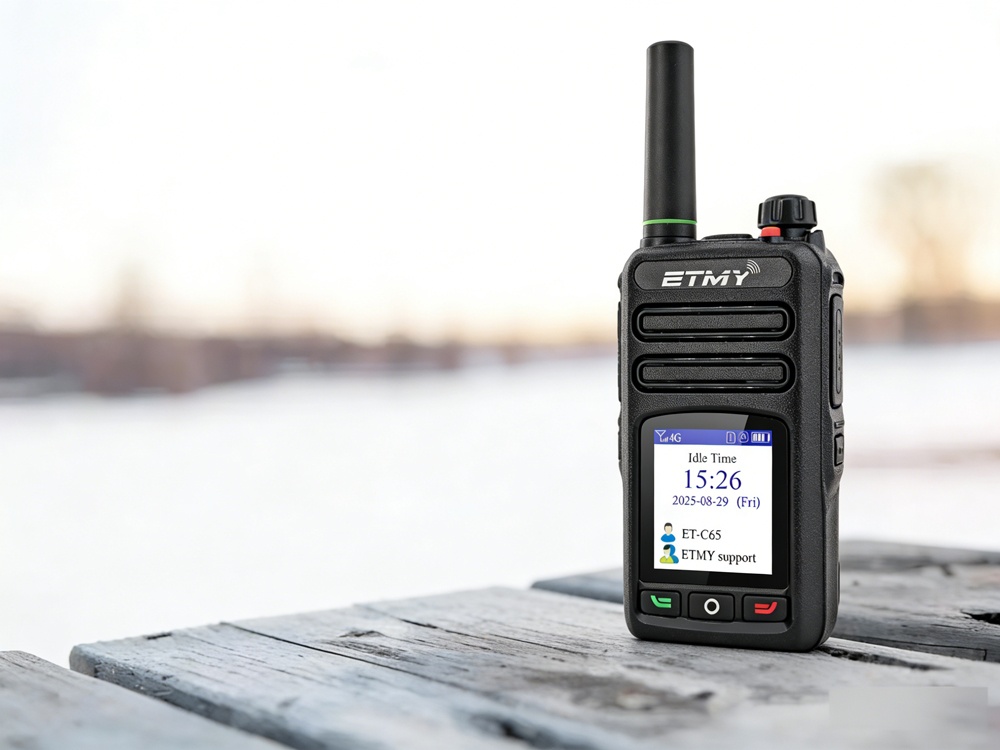
A recent industry report highlights PoC radio adoption for faster, long-distance team communication. Designed for cellular network connectivity, these radios improve coordination in public safety, logistics, and field operations, while offering beginner-friendly setup guidance to ensure reliable activation and compliance.
How exactly do you use a newly acquired PoC radio?