
How crisis management techniques can help emergency managers prepare for active shootings
2021-08-20
.jpg?imageMogr2/format/webp/thumbnail/!10p/format/webp)
source:gcn.com
Emergency managers should incorporate emerging technology platforms into their community’s active shooting plan to ensure the best results in the next major event. A suitable platform will simplify real-time communication and collaboration among city or county employees, dispatchers, and first responders. As the number of casualties is expected to continue to increase, emergency managers in the public sector must have the tools to effectively respond to the next active shooting incident.
The only way to anticipate unexpected situations is to build a system that focuses on mitigation, response and recovery, and saving as many lives as possible. After all, no one can predict when the next major event will occur, so having the infrastructure in place is crucial.
According to the 2020 EMS Trends Report, only 31% of first responders said they believe their organization is ready for mass casualties, and only 7% said they were “very well prepared”. An important part of preparing for MCI is having the technical capabilities to simplify instant, real-time communications, which can have a major impact when an emergency alarm sounds.
Without a strong technology platform, active shooter incidents in the community will trigger time-consuming telephone relays to pass information between community emergency managers, first responders, and emergency room dispatchers.
This process of relying on verbal communication increases the risk of miscommunication, which can lead to loss of life and unnecessarily make families waiting to hear from their loved ones feel miserable. A key aspect of active shooting accident preparation is to equip first responders with the skills needed to reduce casualties and enhance communication between departments.
Now, after emergency management personnel incorporate technical solutions into the emergency response plan, the following will happen during MCI:
The EMS dispatcher will receive detailed information about the active shooter event and create an MCI in the web-based event management program.
Emergency managers can share important updates with local and state officials during and after the incident to ensure accurate information is disseminated to the public.
All stakeholders will be automatically notified of the event, thereby eliminating the possibility of poor communication.
Use the advice provided by EMS computer-assisted dispatch to send automatic notifications to the emergency room of the nearest hospital.
Once the EMS dispatcher is informed that the incident has been degraded and the victim's treatment is under control, they can end the incident and notify all parties, and then they can focus on resuming work.
As shown in the example above, having a comprehensive incident command solution will simplify communications and thus respond faster and more efficiently than manual processes.
The time-saving collaboration of incident management technology allows emergency personnel and hospital staff more time to focus on life-saving work, and enables emergency management personnel to view the details of the incident and find areas for improvement.
With the help of incident management solutions, emergency managers and their teams can prepare for unimaginable situations and ensure the safety of as many community members as possible.
Emergency managers should incorporate emerging technology platforms into their community’s active shooting plan to ensure the best results in the next major event. A suitable platform will simplify real-time communication and collaboration among city or county employees, dispatchers, and first responders. As the number of casualties is expected to continue to increase, emergency managers in the public sector must have the tools to effectively respond to the next active shooting incident.
The only way to anticipate unexpected situations is to build a system that focuses on mitigation, response and recovery, and saving as many lives as possible. After all, no one can predict when the next major event will occur, so having the infrastructure in place is crucial.
According to the 2020 EMS Trends Report, only 31% of first responders said they believe their organization is ready for mass casualties, and only 7% said they were “very well prepared”. An important part of preparing for MCI is having the technical capabilities to simplify instant, real-time communications, which can have a major impact when an emergency alarm sounds.
Without a strong technology platform, active shooter incidents in the community will trigger time-consuming telephone relays to pass information between community emergency managers, first responders, and emergency room dispatchers.
This process of relying on verbal communication increases the risk of miscommunication, which can lead to loss of life and unnecessarily make families waiting to hear from their loved ones feel miserable. A key aspect of active shooting accident preparation is to equip first responders with the skills needed to reduce casualties and enhance communication between departments.
Now, after emergency management personnel incorporate technical solutions into the emergency response plan, the following will happen during MCI:
The EMS dispatcher will receive detailed information about the active shooter event and create an MCI in the web-based event management program.
Emergency managers can share important updates with local and state officials during and after the incident to ensure accurate information is disseminated to the public.
All stakeholders will be automatically notified of the event, thereby eliminating the possibility of poor communication.
Use the advice provided by EMS computer-assisted dispatch to send automatic notifications to the emergency room of the nearest hospital.
Once the EMS dispatcher is informed that the incident has been degraded and the victim's treatment is under control, they can end the incident and notify all parties, and then they can focus on resuming work.
As shown in the example above, having a comprehensive incident command solution will simplify communications and thus respond faster and more efficiently than manual processes.
The time-saving collaboration of incident management technology allows emergency personnel and hospital staff more time to focus on life-saving work, and enables emergency management personnel to view the details of the incident and find areas for improvement.
With the help of incident management solutions, emergency managers and their teams can prepare for unimaginable situations and ensure the safety of as many community members as possible.
How ITU provides emergency communications in a pandemic
The history of sailing ships with ham radio marks 100 years
Related Article

A practical guide to testing two-way radio coverage in the environment where people will actually depend on it.
Why a Radio Coverage Test Can Pass— and the System Still Fails in Real Operation

Most radio operators never take grounding seriously—until their gear is fried. This piece exposes three fatal grounding traps, from shallow rods to mixed signal-and-power grounds, then hands you a six-step, code-compliant checklist drawn from NEC Article 810 and IEEE Std 142. Copy this homework instead.
A grounding error can instantly fry your radio—Installation guide for radio system lightning protection

Professional walkie talkie earpiece guide covering how to put on, wear, and use earpieces correctly. Features brand-specific tips for Motorola, Hytera, Baofeng, and more with structural comparisons for optimal comfort and performance.
How to use walkie talkie earpiece?- The Complete Guide to Walkie Talkie Earpiece Setup
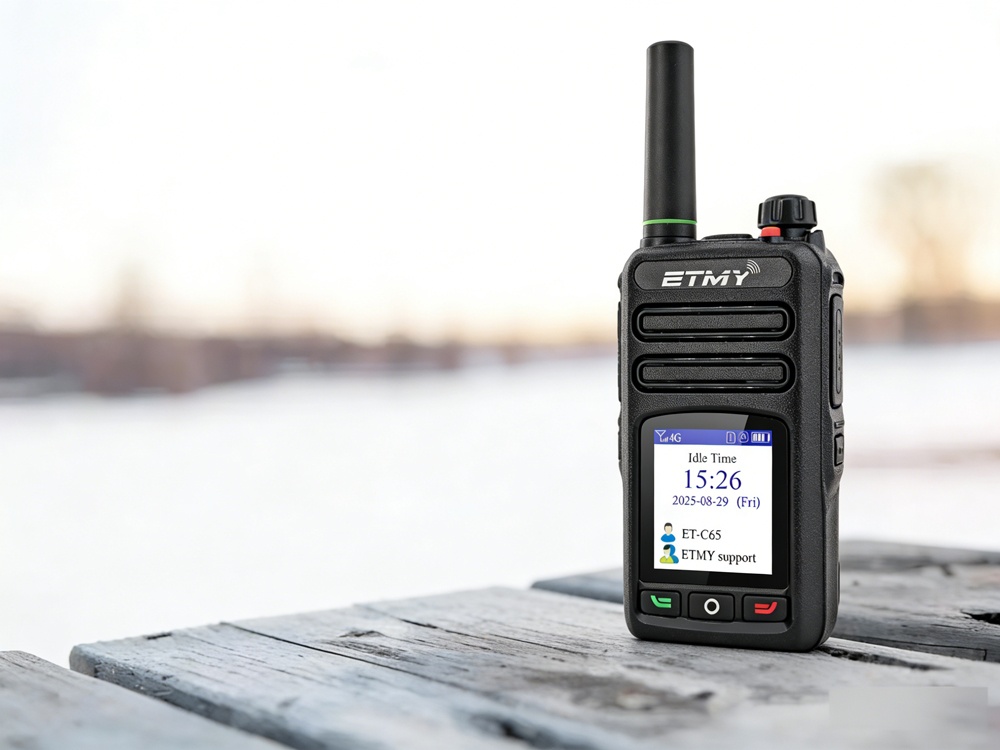
A recent industry report highlights PoC radio adoption for faster, long-distance team communication. Designed for cellular network connectivity, these radios improve coordination in public safety, logistics, and field operations, while offering beginner-friendly setup guidance to ensure reliable activation and compliance.
How exactly do you use a newly acquired PoC radio?